Donut Embroidery Design Review for Small Business Merch
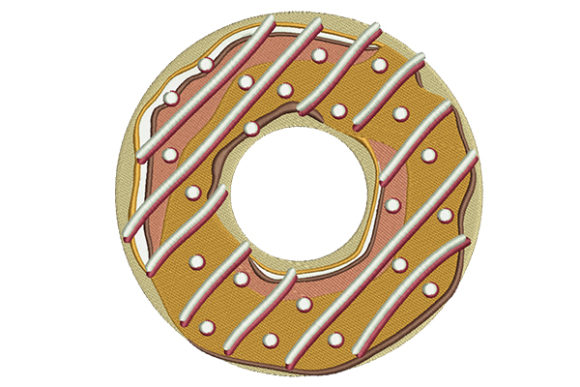
As an embroidery designer who has spent years digitizing and testing files for commercial use, I approach every new machine embroidery design with a critical eye. It is not just about whether a motif looks cute on a screen; it is about how it performs under the needle, how it holds up after washing, and most importantly, how it serves the brand identity of the small business owner purchasing it. Today, I am reviewing the Donut design, a dessert-themed embroidery file that promises to be a high-quality addition to your next sewing project.
The product description states that this lovely embroidery will look great on any fabric or clothes it is stitched on. While this is a bold claim, my experience tells me that versatility depends heavily on proper technique and realistic expectations. For small business owners, Etsy sellers, and apparel decorators, understanding the nuances of this design is crucial before committing to a large production run.
First Impressions: Visual Personality and Brand Fit
The immediate impression of the Donut design is one of playful charm. In the world of branded merchandise, food-related imagery often conveys warmth, comfort, and approachability. This makes the design particularly suitable for bakeries, cafés, boutique gift shops, and creative studios that want to project a friendly, handmade aesthetic. Unlike rigid corporate logos, a dessert-themed Embroidery piece like this invites engagement. It feels decorative yet professional, striking a balance that works well for customer-facing staff uniforms or retail packaging accents.
However, "playful" does not mean "amateur." A high-quality digital embroidery file must maintain clean lines and consistent stitch direction. When evaluating this design for commercial embroidery projects, I look for smooth curves in the donut shape and well-defined details in the icing or sprinkles. If the design relies too heavily on tiny, isolated stitches, it may not translate well to textured fabrics. The visual consistency of the design is key to maintaining a premium look, even when the subject matter is whimsical.
Real-World Applications for Small Business Merch
Where does the Donut design truly shine? Based on its likely structure as a standalone motif, here are the most effective applications for small business merch and branded assets:
- Embroidered Patches: This is perhaps the strongest use case. A donut motif works exceptionally well as an iron-on or sew-on patch for tote bags, denim jackets, and canvas aprons. Patches allow for higher stitch density without compromising the flexibility of the base garment, ensuring the design remains vibrant and durable.
- Café and Bakery Uniforms: For staff aprons, placing this design on the chest pocket or upper left chest creates an instant brand identifier. It adds a touch of personality to standard workwear, enhancing customer trust by presenting a cohesive and thoughtful brand image.
- Tote Bag Design: Canvas totes are a staple for handmade brands. The Donut design can serve as a central focal point or a repeated pattern element. Because canvas is a stable fabric, it supports the weight of the embroidery well, preventing puckering.
- Cap Embroidery: Front-panel cap embroidery is a popular trend. However, this requires careful scaling. The design must be simplified or resized to fit the curved surface of a cap without distortion. If the original file is too detailed, it may lose clarity at this smaller scale.
- Customer Gifts and Packaging Accents: Smaller versions of the design can be stitched onto fabric tags, drawstring bags, or even napkins for high-end boutique experiences. These small touches elevate the perceived value of the finished product.
Technical Considerations and Potential Pitfalls
While the description claims the design looks great on any fabric, experienced embroiderers know that fabric texture and stability play massive roles in the outcome. Here is where you need to exercise caution with the Donut design:
Stitch Density and Fabric Choice: If the design has high stitch density, stitching it directly onto thin or stretchy fabrics like jersey t-shirts can cause puckering. Always use a appropriate stabilizer. For knits, a cut-away stabilizer is recommended to support the stitches over time. For woven fabrics like twill or canvas, a tear-away may suffice, but testing is essential.
Small Scale Details: If the design includes intricate details like tiny sprinkles or fine outlines, these may not hold up if the design is resized too small. For items like sleeve details or small labels, ensure that the smallest elements are still visible and secure. If the thread colors are too similar, the detail may get lost, especially from a distance.
Dark Uniforms and Contrast: When using this design on dark uniforms, such as navy or black aprons, thread color contrast is vital. Ensure that the icing and donut base colors stand out against the background. You may need to adjust the thread palette from the default suggestions to maximize visibility and brand recognition.
Enhancing Brand Identity and Customer Trust
Incorporating a well-executed Donut design into your product line does more than just decorate an item; it strengthens your brand identity. Consistent use of custom apparel and branded patches signals professionalism. It shows customers that you care about the details, which builds trust. For handmade product sellers, offering items with unique embroidery differentiates you from mass-produced competitors. It transforms a simple tote bag or shirt into a collectible piece of brand memorabilia.
Moreover, visual consistency across various touchpoints—from staff uniforms to packaging—creates a memorable customer experience. When a customer sees the same high-quality Embroidery design on their apron and their shopping bag, it reinforces brand recall. This cohesion is essential for growing a loyal customer base in competitive markets like food service and retail.
Practical Designer Notes for Production
Before you load the Donut file into your machine for a commercial order, follow these practical steps to ensure success:
- Test in Black and White First: Print or stitch a monochrome version to check the clarity of the design. If the shapes are indistinguishable without color, the design may be too complex for small sizes.
- Check Hoop Size Compatibility: Confirm that the design fits within your available hoop size. The product description does not specify exact dimensions, so check the file details before purchase. Ensure you have the correct hoop for the intended item, especially for caps or sleeves.
- Create a Printable Mockup: Use digital mockups to visualize the design on different products. This helps in client approval and marketing materials before you commit to physical production.
- Verify Commercial Licensing: Always confirm the license terms included with the digital embroidery file. Ensure you have the right to use the design for commercial purposes, such as selling finished products or branded merchandise.
- Test on Real Fabric: Never skip the test stitch. Run the design on the actual fabric you plan to use, with the same stabilizer and thread. Check for puckering, thread breaks, or registration issues.
- Review Thread Colors: Compare the suggested thread colors against your brand palette. Adjust as necessary to maintain visual consistency with your other design assets.
In conclusion, the Donut embroidery design offers significant potential for small businesses looking to add a touch of playful professionalism to their merchandise. By understanding its technical requirements and strategic applications, you can leverage this asset to enhance your brand identity and create high-value, custom apparel and accessories. Remember, the quality of the final product depends not just on the file, but on the skill and care applied during the embroidery process.