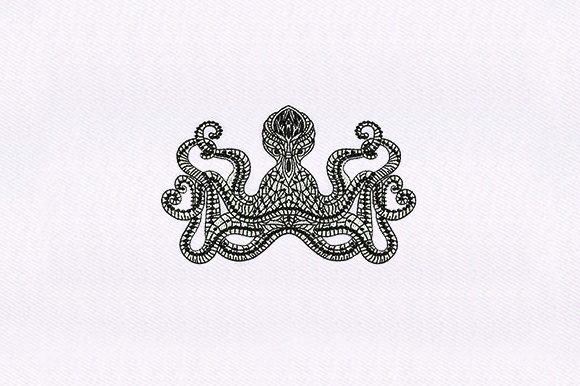
Mandala Octopus Embroidery Review
As an embroidery designer who spends countless hours digitizing and testing files for commercial use, I am always on the lookout for designs that balance intricate detail with stitchability. Recently, I came across the Mandala Octopus on Creative Fabrica, and it immediately caught my eye. The fusion of marine life with geometric mandala patterns is a trend that has been gaining momentum in the handmade community, but not every file executes this complex concept well. I decided to take a closer look at this machine embroidery design to determine if it holds up under the scrutiny of real-world production.
First Impressions and Visual Appeal
The first thing you notice about the Mandala Octopus is its decorative appeal. It is not just a simple outline; it is an intricate composition that blends the organic curves of an octopus with the symmetrical precision of a mandala. For designers and crafters, this visual mood offers a unique blend of whimsy and sophistication. The design feels modern yet timeless, making it versatile for various target markets, from nursery decor to boutique apparel.
When reviewing the preview images, the level of detail suggests a high-quality embroidery file. The interplay between the tentacles and the radial patterns creates a focal point that draws the viewer in. This kind of complexity can be tricky to digitize effectively, as it requires careful management of stitch density to prevent puckering or thread breaks. However, the visual presentation suggests that the digitizer has paid attention to the flow of the stitches, which is a promising sign for actual stitching performance.
Practical Applications for Handmade Businesses
For Etsy sellers and small business owners, versatility is key. A design must work across multiple product lines to maximize return on investment. The Mandala Octopus fits naturally into several categories of commercial embroidery projects. Here is how I envision this design performing in a real workshop setting:
- Custom Apparel: This design would look stunning on the back of a denim jacket or the chest of a oversized sweatshirt. The intricate details pair well with the texture of denim or cotton fleece, adding a premium feel to sweatshirt embroidery products.
- Tote Bags and Aprons: Canvas materials provide a stable base for detailed stitching. Using this as a central tote bag design can elevate a simple utility item into a statement piece. Similarly, an apron featuring this motif appeals to chefs and artists who appreciate unique, handmade aesthetics.
- Nursery Decor and Baby Items: The whimsical nature of the octopus makes it suitable for baby blankets or pillow covers. However, when working with baby items, one must ensure the thread colors are soft and the backing is secure to prevent irritation.
- Embroidered Patches: If the file size permits, this design could be scaled down for iron-on or velcro patches. Patches are a high-margin item for craft fairs, and a unique design like this can drive significant customer engagement.
Technical Considerations for Stitching Success
While the aesthetic is strong, the technical execution is where many designs fail. As an experienced designer, I approach any new Creative Fabrica embroidery download with a critical eye toward practical constraints. Here are the key factors to consider before loading this file onto your machine:
Hoop Size and Scaling
Intricate designs often require a larger hoop size to maintain clarity. If you attempt to scale the Mandala Octopus down too much for a small hoop, the fine details of the mandala pattern may merge, resulting in a muddy appearance. Always check the available sizes provided in the download package. If the design is only available in large formats, you may need to plan your project around larger items like pillow covers or wall hangings rather than caps or small pouches.
Fabric and Stabilizer Selection
The success of this design heavily depends on the fabric choice. Dense stitch areas, common in mandala-style fills, can cause lightweight fabrics to pucker. I recommend using a cut-away stabilizer for knit fabrics like sweatshirts to provide long-term support. For woven fabrics like canvas or denim, a tear-away stabilizer might suffice, but testing is crucial. If you are stitching on stretchy fabric, hooping technique becomes even more critical to prevent distortion of the octopus’s symmetrical features.
Thread Colors and Contrast
This design likely relies on color changes to distinguish the mandala elements from the octopus body. When selecting thread colors, consider the contrast against your fabric. On dark fabrics, you may need to adjust the sequence or use lighter threads to ensure the details pop. Conversely, on light fabrics, bold, saturated colors will enhance the visual impact. Always run a test stitch on scrap fabric to verify that the color transitions align with your vision.
Enhancing Product Value and Brand Consistency
Using a high-quality design like Mandala Octopus can significantly affect the perceived value of your handmade product. Customers are increasingly drawn to items that feature unique, artistic details rather than generic clipart. By incorporating this intricate design into your lineup, you signal a commitment to quality and creativity. This builds buyer trust and encourages repeat business.
Furthermore, this design lends itself well to product photography. The complex textures created by the satin stitch and fill stitch combinations catch the light beautifully, allowing for striking images on social media and online marketplaces. Whether you are creating a personalized gift or a standard inventory item, the visual appeal of this design can help your listings stand out in a crowded marketplace.
Final Verdict and Best Practices
Before committing to a full production run, I always advise fellow designers to perform due diligence. Check the product page on Creative Fabrica for specific file details, including format compatibility with your machine (such as PES, DST, or JEF). Since the product description notes it is a high-quality embroidery for sewing projects, it is likely optimized for general use, but individual machine settings vary.
Remember to inspect small details after stitching your test sample. Look for any thread breaks or loose ends that may need trimming. If you plan to sell finished items, confirm the licensing terms on the product page to ensure you are compliant with commercial use guidelines. Most Creative Fabrica designs allow for the sale of physical finished products, but it is essential to verify this for each specific item.
In conclusion, the Mandala Octopus is a compelling addition to any digital embroidery library. Its blend of artistic flair and structural complexity offers numerous opportunities for creative entrepreneurs. By paying attention to hoop size, stabilizer choice, and thread contrast, you can transform this digital embroidery file into a standout finished product that resonates with customers. Whether you are decorating custom apparel, creating home decor, or designing unique gifts, this mandala-inspired octopus has the potential to become a staple in your portfolio.