Painter Bird: A Designer’s Review for Small Business Merch
As an embroidery designer who has spent years digitizing and testing files for commercial use, I approach every new machine embroidery design with a critical eye. It is not just about whether a motif looks cute on a screen; it is about how it performs on fabric, how it elevates a brand, and whether it holds up under the scrutiny of a paying customer. Recently, I reviewed the Painter Bird design, a charming addition to the Birds category that promises versatility for various sewing projects. For small business owners, Etsy sellers, and apparel decorators, understanding the practical application of this embroidery file is crucial before adding it to your product line.
First Impressions: Visual Personality and Brand Fit
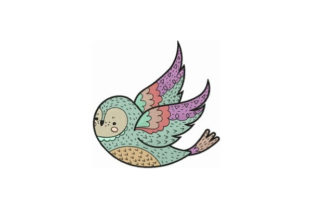
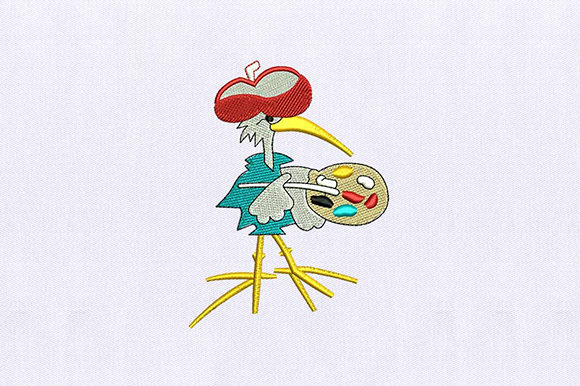
The first thing that strikes you about Painter Bird is its approachable aesthetic. The description highlights it as a "cute embroidery" suitable for any fabric, and visually, it leans into a friendly, handmade vibe. For brands in the creative sector—such as local bakeries, florists, art studios, or boutique pet shops—this design exudes a sense of warmth and approachability. It does not scream corporate rigidity; instead, it suggests craftsmanship and care.
However, "cute" can sometimes be mistaken for "amateur" if not executed correctly. In my review, I looked for balance. Does the design have enough structural integrity to look professional? Yes. The lines appear clean, suggesting that when stitched out, it will offer a polished finish rather than a messy, thread-heavy look. This makes it an excellent candidate for small business merch that aims to feel personal yet premium. It bridges the gap between playful and professional, which is a difficult needle to thread in the world of custom apparel.
Real-World Applications for Commercial Embroidery
Where does Painter Bird truly shine? Based on its visual weight and likely scale, I see several high-value applications for businesses looking to expand their branded assets.
- Embroidered Patches: This is perhaps the strongest use case. A well-digitized bird motif works beautifully as an iron-on or sew-on patch. Patches allow customers to customize their own gear, increasing engagement. You can sell these as standalone items or include them as freebies with larger orders.
- Apron Embroidery: For cafes, bakeries, and craft studios, staff uniforms are walking billboards. Placing Painter Bird on the chest pocket or upper left chest of an apron adds a touch of whimsy without overwhelming the uniform. It reinforces the brand identity of a creative, hands-on business.
- Tote Bag Design: Canvas totes are staples for bookstores, markets, and eco-friendly brands. A central or corner placement of this bird design creates a memorable finished product that customers will actually want to carry, extending your brand’s reach beyond the store.
- Cap Embroidery: While tricky due to curvature, a simplified version or careful placement of this design on a dad hat or baseball cap can create trendy, low-profile merchandise. It appeals to a younger demographic looking for subtle branding.
Navigating Technical Challenges and Fabric Constraints
While the artistic merit of Painter Bird is clear, the technical execution requires attention. As a designer, I always advise testing before full production. The description notes it looks great on any fabric, but experienced embroiderers know that fabric texture plays a massive role in the final outcome.
For instance, stitching on textured towels or thick denim requires different tension settings than stitching on smooth cotton poplin. If you are using this for commercial embroidery on dark uniforms, you must consider thread color contrast. A light-colored bird on a navy shirt pops, but ensure the digitizing includes proper underlay stitches to prevent the dark fabric from showing through the lighter threads. Additionally, check the stitch density. If the design is too dense for lightweight fabrics, it may cause puckering. Always use the appropriate stabilizer—cut-away for stretchy fabrics like t-shirts and tear-away for stable wovens like tote bags.
Another critical factor is size. If you plan to use this as a tiny logo accent on a collar or cuff, verify that the details do not merge together. Small text or intricate feather details can become a blob of thread if scaled down too far without re-digitizing. Always create a printable mockup and a physical test stitch-out at your intended size before committing to a large run.
Enhancing Brand Identity and Customer Trust
In the crowded marketplace of handmade goods, consistency is key. Using a cohesive set of design assets helps build recognition. Painter Bird can serve as a secondary logo or a seasonal accent that complements your primary branding. When customers see this consistent visual language across your website, packaging, and physical products, it builds trust. It signals that you are a legitimate business with attention to detail.
Moreover, high-quality embroidery adds perceived value. A plain t-shirt might sell for $20, but one with a crisp, well-stitched Painter Bird emblem can command $35 or more. The tactile nature of embroidery invites touch, creating a sensory connection between the customer and your handmade product. This emotional connection often leads to higher customer retention and positive reviews, which are vital for Etsy sellers and online boutiques.
Practical Designer Notes for Production
Before you load this digital embroidery file into your machine, follow this checklist to ensure professional results:
- Test in Monochrome: Stitch the design in black thread on white fabric first. This reveals any gaps in coverage or issues with spacing that color might hide.
- Verify Hoop Size: The product description does not specify exact dimensions. Check the file details to confirm the required hoop size. Ensure your machine can accommodate the design without re-hooping, which can lead to misalignment.
- Check Licensing: Confirm the commercial license terms. Can you sell items made with this design? Are there restrictions on the number of units? Never assume; always read the license included with the file.
- Thread Color Matching: Select thread colors that align with your brand palette. Do not just pick standard colors; custom-match them to your logo for a cohesive look.
- Client Approval: If you are doing work for a client, provide a physical sample or a high-resolution photo of the stitched sample. Digital previews often look smoother than the actual stitched result.
Final Verdict for Small Business Owners
The Painter Bird design is a versatile asset for any creative business looking to add character to their merchandise. It moves beyond simple decoration to become a functional part of your branding strategy. Whether used on an apron in a bustling cafe, a patch on a artisan’s bag, or a tote for a local market, it offers a blend of charm and professionalism. However, its success depends entirely on your execution. Respect the technical requirements of embroidery, choose your fabrics wisely, and always prioritize quality control. When done right, this design will not just sit on a shelf; it will walk out the door, representing your brand with every stitch.