Red Robin: A Designer’s Review for Boutique Sweatshirts
As an embroidery designer who has spent years refining digitizing techniques and selecting the perfect motifs for commercial apparel, I approach every new machine embroidery design with a critical eye. It is not just about whether the image looks cute on a screen; it is about how it translates to fabric, how it withstands washing, and ultimately, how it elevates the perceived value of the garment. Recently, I had the opportunity to test the Red Robin design for an upcoming limited drop of premium sweatshirts for a small boutique brand. Here is my honest evaluation of this piece from a professional perspective.
First Impressions: Mood and Aesthetic Appeal
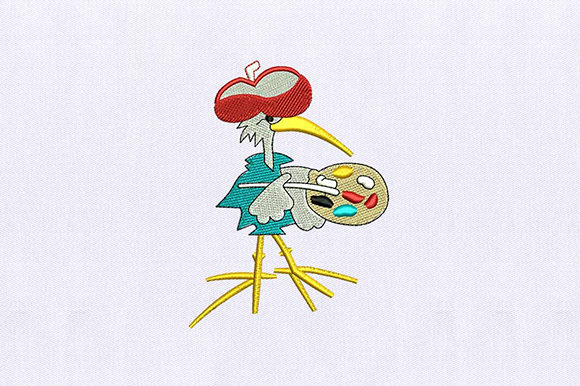
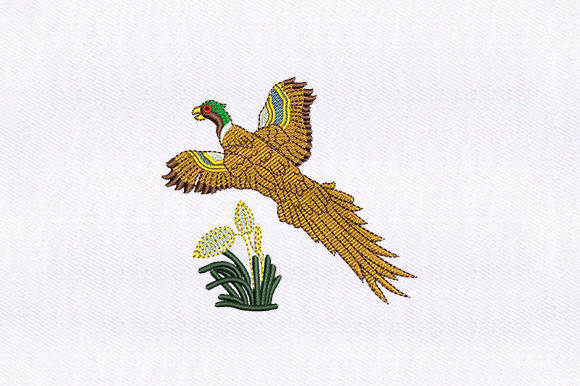
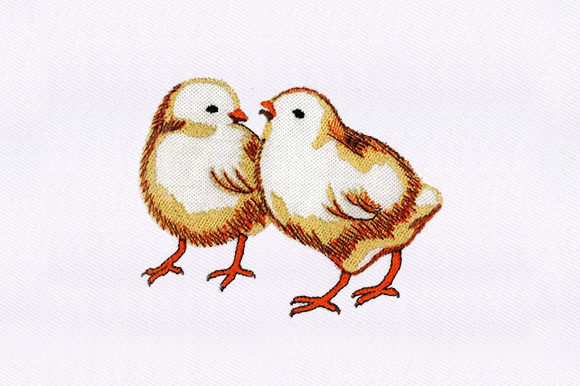
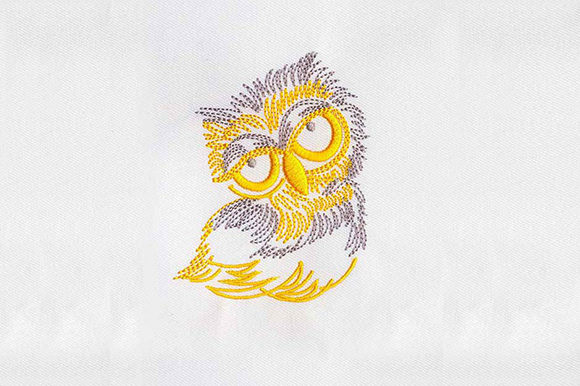
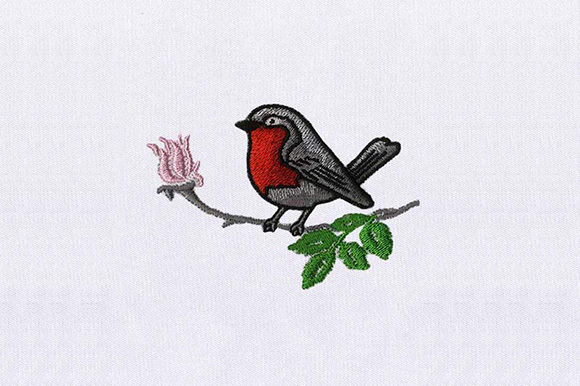
The moment I loaded the Red Robin embroidery file into my software, the charm was immediate. This is not a hyper-realistic, stiff depiction of nature. Instead, it leans into a stylized, approachable aesthetic that feels both playful and decorative. For a boutique looking to capture a cozy, rustic, or feminine vibe, this design hits the mark. The title suggests a focus on Birds, but the execution feels more like a lifestyle illustration than a scientific diagram. This distinction is crucial for custom apparel because customers are buying a feeling, not just a picture.
The layout appears balanced, with a density that suggests durability without overwhelming lightweight fabrics. In the context of Embroidery trends, we are seeing a shift away from massive, heavy logos toward smaller, meaningful icons that serve as subtle brand signatures. Red Robin fits this trend perfectly. It feels casual yet intentional, making it an ideal candidate for brands that want to project warmth and approachability.
Strategic Placement on Sweatshirts and Hoodies
When planning a collection, placement is everything. I tested Red Robin in several key areas to determine its versatility. For standard crewneck sweatshirts, the design shines as a left-chest emblem. At this size, it acts as a sophisticated logo replacement, offering a touch of whimsy that distinguishes a small shop product from mass-market retail. The details remain readable, provided the hoop size is chosen correctly to maintain proportion.
For oversized hoodies, which are currently dominating the market, I experimented with placing Red Robin on the sleeve or near the cuff. This unexpected placement creates a high-end, designer look. The contrast of the red tones against neutral heather grey or deep navy sleeves draws the eye and encourages interaction. Customers love discovering these small details. Additionally, this design could work beautifully as a larger back print if scaled up, though one must monitor the stitch density to ensure the garment does not become too stiff or heavy in that area.
Fabric Compatibility and Color Theory
The description notes that this cute embroidery will look great on any fabric, but as a designer, I need to be more specific. Red Robin performs exceptionally well on mid-weight cotton blends and fleece, which are staples for sweatshirt embroidery. The fabric texture of a premium sweatshirt provides enough stability to support the stitches without excessive puckering, assuming proper stabilization techniques are used.
Color contrast is where this design truly sings. On dark fabrics like charcoal, black, or forest green, the red elements of the robin pop vibrantly, creating a bold statement. However, do not underestimate its power on pastel colors. Placed on a blush pink or soft cream hoodie, the design takes on a softer, more vintage appeal. This versatility allows Etsy sellers and creative entrepreneurs to offer a wide range of colorways without needing to digitize separate versions of the artwork. It is a smart asset for inventory management.
Technical Considerations for Commercial Use
Before running a production batch, there are practical concerns every commercial embroidery operator must address. First, check the stitch count and density settings in your specific software. While the design is described as high-quality, every machine behaves differently. For thicker sweatshirt materials, I recommend using a cut-away stabilizer rather than tear-away. This ensures that the finished product maintains its shape after multiple washes and wears. A wobbly emblem can ruin the perception of quality, no matter how cute the bird is.
Another critical factor is thread selection. To achieve a premium look, avoid standard polyester threads if possible. Opt for rayon or high-sheen polyester to give the feathers and details a lustrous finish that catches the light. This small upgrade significantly impacts buyer trust and perceived value. Also, verify the hoop size requirements. If the design is intricate, ensure you are using a hoop that provides ample tension around the entire motif to prevent registration errors.
It is important to note that the provided description does not specify exact file formats or license terms. As a professional, I always remind fellow designers to verify these details before production. Ensure you have the correct digital embroidery file format for your machine (such as DST, PES, or JEF) and confirm that the license allows for commercial use on physical goods. This due diligence protects your business and ensures a smooth workflow.
Enhancing Brand Identity and Product Value
Using a distinctive design like Red Robin does more than decorate a garment; it builds brand identity. In a saturated market, unique design assets help customers recognize your work instantly. When a customer sees that specific robin on a hoodie, they associate it with your brand’s aesthetic—whether that is rustic, playful, or minimal. This visual recognition fosters loyalty and encourages repeat purchases.
Furthermore, this design enhances marketing efforts. It photographs beautifully for printable mockup previews and lifestyle shots. The clear lines and appealing colors translate well to digital screens, helping handmade product listings stand out on platforms like Etsy. High-quality images of the embroidered detail can increase customer engagement and conversion rates. Buyers are drawn to the tactile nature of embroidery, and Red Robin showcases that craftsmanship effectively.
Final Verdict for Boutique Owners
In conclusion, Red Robin is a strong contender for any boutique brand looking to add character to their apparel line. It balances cuteness with professionalism, making it suitable for a wide demographic. Whether you are creating cozy seasonal apparel, custom gifts, or everyday wear, this design offers the flexibility and visual appeal needed for success. By paying attention to technical details like stabilizer choice and thread quality, you can ensure that each piece meets the high standards expected by today’s conscious consumers. For small clothing brands and apparel decorators, this design is not just an embellishment; it is a strategic tool for building a memorable and profitable collection.