Big Eyes Owl: A Designer’s Practical Review
As an embroidery designer who has spent years digitizing patterns and testing thousands of machine embroidery design files, I have developed a keen eye for what works in the real world. It is one thing to see a pretty preview image on a website; it is another entirely to watch the needle hit the fabric and see how the design holds up under tension, thread pull, and human scrutiny. Recently, I evaluated the Big Eyes Owl design, a charming piece within the Birds category, to determine its viability for commercial and personal embroidery project applications.
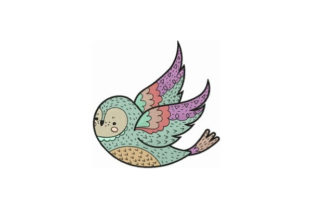
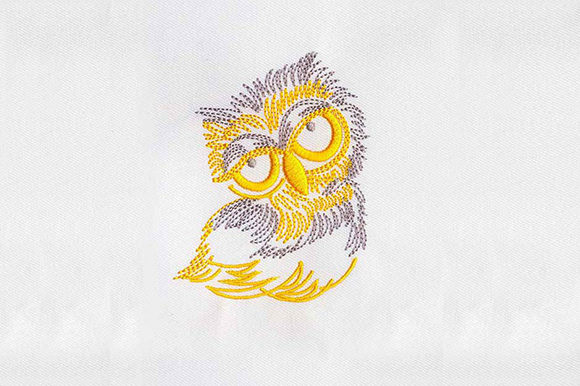
The first impression of this design is immediate warmth. The oversized eyes create a focal point that draws the viewer in, establishing a playful yet sophisticated mood. For those of us running a craft business or selling as an Etsy seller, visual appeal is the primary driver of engagement. This design does not rely on excessive complexity to make a statement. Instead, it uses shape and proportion effectively. The layout feels balanced, avoiding the common pitfall of overcrowding small hoops with unnecessary detail. This simplicity is often where true quality lies, especially when translating digital art into thread.
Real-World Application: The Custom Tote Test
To truly understand the potential of any digital embroidery file, I believe in putting it through a realistic scenario. I chose to stitch the Big Eyes Owl onto a natural canvas tote bag. Tote bags are a staple for small shop product lines because they are practical, popular, and provide a stable surface for stitching. The goal was to create a handmade product that felt boutique-quality rather than mass-produced.
During the stitching process, I observed how the design handled the texture of the canvas. The owl’s features translated well, with clear definition between the different elements. The eyes, being the centerpiece, required precise tension control to ensure they remained round and symmetrical. On a textured fabric like canvas, a design with too much fine detail can get lost, but the Big Eyes Owl maintains its clarity. This suggests that the stitch density is well-calibrated for medium-weight fabrics. For a tote bag design, this level of visibility is crucial. Customers need to recognize the motif from a distance, and the bold shapes here deliver that impact.
Versatility Across Apparel and Decor
Beyond totes, I considered how this design would perform on other common substrates. Sweatshirt embroidery is a massive market, particularly in the fall and winter seasons. The plush texture of fleece or French terry can sometimes swallow up delicate stitches. However, the robust nature of this owl design makes it a strong candidate for custom apparel. The larger fill areas would sit nicely on top of the nap of the fabric, creating a tactile, premium feel.
For baby embroidery projects, such as onesies or burp cloths, the cute aesthetic is naturally fitting. Parents are drawn to animal motifs, and the gentle expression of the owl appeals to that demographic. However, when working with knit fabrics for baby items, one must be mindful of stabilization. While the design itself is solid, the stretch of the fabric requires a cut-away stabilizer to prevent puckering around the edges of the owl. This is not a flaw in the design but a necessary consideration for the finished product.
I also envision this working beautifully as an embroidered patch. Patches are trending in both fashion and home decor. If you digitize or purchase this as a standalone element, it can be stitched on twill, cut out, and ironed or sewn onto jackets, hats, or pillows. This versatility increases the value of the design assets you offer to your clients. Whether used for holiday embroidery gifts or year-round nursery decor, the theme remains relevant.
Technical Considerations and Stitch Quality
From a technical standpoint, evaluating a machine embroidery design requires looking at the stitch types employed. In the Big Eyes Owl, there appears to be a thoughtful mix of satin stitch for outlines and finer details, and fill stitch for the larger body areas. Satin stitches provide a shiny, smooth finish that catches the light, adding dimension to the eyes and beak. Fill stitches provide coverage and stability. The transition between these two needs to be seamless to avoid gaps or bunching.
One area to watch closely is the thread colors selection. Because the design relies on contrast, choosing the right palette is essential. I recommend testing the design in both high-contrast and monochromatic schemes. For example, stitching the owl in shades of grey on a white background creates a modern, minimalist look suitable for adult apparel. Conversely, using vibrant, contrasting colors enhances the playful vibe for children’s items. Always check your fabric texture against your thread choice; shiny threads on shiny fabrics can reduce visibility, while matte threads on textured fabrics often pop more effectively.
It is also important to consider the hoop size. While this design is versatile, ensure that your hoop accommodates the full width without distorting the edges. If you are stitching on curved surfaces like caps, you may need to adjust the placement carefully to avoid wrapping the design around the curve, which can distort the owl’s symmetry. For commercial embroidery runs, consistency in hooping is key to maintaining brand professionalism.
Strategic Use for Business Growth
For creative entrepreneurs and digital product sellers, the value of a design like Big Eyes Owl extends beyond the stitch count. It is about how the design enhances your brand. A well-executed owl motif can become a signature element in your portfolio. When creating printable mockup images for your online store, this design photographs well due to its clear lines and recognizable shape. High-quality photos lead to higher conversion rates.
However, caution is advised when using this on very thin or stretchy fabrics without proper support. Lightweight jerseys or silks may pucker if the stitch density is too high for the material. Always run a test stitch on scrap fabric identical to your final product. This step saves time, money, and reputation. Additionally, if you plan to sell items made with this design, verify the licensing terms. Most designers allow commercial use for physical products, but restrictions may apply to reselling the embroidery file itself.
Final Verdict for Makers
The Big Eyes Owl is a reliable, aesthetically pleasing addition to any library of Embroidery designs. It bridges the gap between whimsical and professional, making it suitable for a wide range of applications from personalized gift items to boutique merchandise. Its strength lies in its clarity and adaptability. By paying attention to stabilizer choice, thread contrast, and fabric compatibility, you can produce a finished product that delights customers and stands up to wear and washing.
Whether you are creating a holiday embroidery series or expanding your everyday small shop product line, this design offers a solid foundation. It reminds us that in embroidery, sometimes the simplest shapes, executed with precision, make the biggest impact. As you integrate this into your workflow, remember to trust your machine, respect your materials, and let the design do what it does best: bring a touch of character to every stitch.