Tanker Embroidery Design: A Designer’s Review
As an embroidery designer who spends more time staring at stitch maps than actual fabric, I have learned to be skeptical of new machine embroidery design releases. The market is flooded with generic clipart converted into thread, often lacking the nuance required for a professional finished product. However, when I loaded the Tanker file into my software, I paused. This is not just another vehicle icon; it is a thoughtful piece of Transportation themed Embroidery that balances industrial ruggedness with decorative appeal.
In this review, I am evaluating Tanker not as a digital image, but as a physical object waiting to be stitched. I want to know how it behaves on different materials, how it impacts the perceived value of a handmade product, and whether it deserves a spot in your commercial library.
First Impressions: Industrial Charm Meets Soft Texture
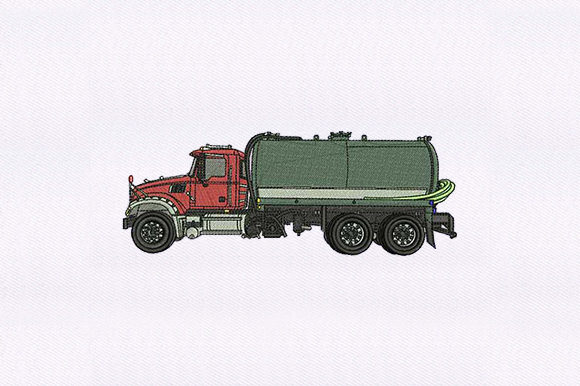
The first thing that strikes you about the Tanker design is its silhouette. It avoids the overly complex, photo-realistic approach that often plagues vehicle designs. Instead, it uses clean lines and balanced proportions to create a recognizable shape that reads well from a distance. This is crucial for embroidery project success. If a customer cannot identify the subject within three seconds, the design has failed its primary communicative purpose.
The mood here is nostalgic yet modern. It evokes memories of classic logistics, road trips, and vintage advertising. For a designer, this versatility is gold. It does not scream "baby boy" nor does it feel strictly masculine. It sits comfortably in a neutral zone, making it an excellent candidate for a wide range of custom apparel and home decor items. The visual personality is sturdy and reliable, mirroring the vehicle it depicts.
Real-World Application: The Tote Bag Test
To truly understand the viability of Tanker, I simulated a real-life scenario: creating a custom canvas tote bag for a local coffee roaster who wanted branding that felt artisanal and grounded. I chose a natural, unbleached cotton canvas for the base. This is where the rubber meets the road, so to speak.
When digitizing or selecting a pre-made embroidery file for canvas, stitch density is the enemy of drape. If the design is too dense, the bag becomes stiff and board-like around the logo. Fortunately, Tanker appears to utilize a smart mix of fill stitch for the body of the truck and satin stitch for the outlines and details. This combination allows the design to sit on top of the fabric rather than sinking into it, preserving the natural texture of the canvas.
For an Etsy seller or small shop product creator, this is a significant advantage. You can offer a high-impact graphic without compromising the functionality of the item. The design looks intentional and curated, elevating a simple tote into a boutique-quality accessory. It suggests that the maker cares about aesthetics, which builds customer trust and justifies a higher price point.
Fabric Considerations and Stitching Clarity
While Tanker performs beautifully on medium-weight woven fabrics like denim, twill, and canvas, caution is advised when moving to trickier substrates. Let us discuss where this design requires careful handling.
If you are applying this to a sweatshirt embroidery project, the pile of the fleece can obscure fine details. The Tanker design relies on clear separation between the cab, the tank, and the wheels. On a fuzzy surface, these distinct areas might blend together if the thread colors do not have sufficient contrast. I recommend using a high-cutaway stabilizer to prevent the fabric from pulling away from the stitches, which can distort the straight lines of the truck bed.
For baby embroidery items, such as onesies or burp cloths, the softness of the garment is paramount. Here, you must check the stitch density carefully. If the design feels heavy or scratchy against sensitive skin, it will not sell, regardless of how cute it looks. Consider using softer rayon threads instead of polyester to reduce stiffness. Additionally, ensure the hoop size is appropriate; forcing a large design into a small hoop on stretchy knit fabric can lead to puckering that ruins the personalized gift aesthetic.
Curved surfaces, like caps, present another challenge. The Tanker design has a horizontal orientation. When stitching on a curved cap panel, the outer edges of the design may pull slightly. Using a strong backing and possibly underlay stitches is essential to maintain the structural integrity of the image. If you are creating an embroidered patch instead, you have more control. Patches allow you to use a heavy cutaway stabilizer and trim close to the edge, resulting in a crisp, professional look that can be ironed or sewn onto any garment later.
Commercial Value and Brand Consistency
For craft business owners, consistency is key. You need designs that look good across multiple product lines. Tanker offers this flexibility. Imagine offering a matching set: a tote bag design for groceries, a tea towel for the kitchen, and a pillow cover for the living room. The cohesive look strengthens your brand identity.
Moreover, the theme of transportation lends itself well to specific niches. Think of holiday embroidery for Father’s Day, gifts for truck drivers, or decor for a nursery with a travel theme. By positioning Tanker within these specific contexts, you increase its giftability and buyer engagement. It stops being just a truck and starts being a solution for a customer’s gifting dilemma.
When creating printable mockup images for your online store, ensure you showcase the design on various backgrounds. Test it in black and white to see if the contrast holds up. A design that relies solely on color to define its shape will fail when stitched in monochrome. Tanker seems to have enough structural definition to work in single-color applications, which is a huge plus for minimalist trends.
Practical Designer Notes for Best Results
Before you commit to stitching Tanker on a client’s expensive garment, follow these practical steps:
- Test on Scrap Fabric: Always run a test stitch on the same type of fabric you intend to use. Check for puckering, thread breaks, or registration issues.
- Check Thread Contrast: Ensure your chosen thread colors provide enough distinction between the different parts of the truck. Low contrast can make the design look muddy.
- Review Stitch Density: If the design feels too stiff, consider editing the file to reduce density in large fill areas, if you have the skills and software to do so.
- Confirm Hoop Size: Verify that the design fits within your machine’s hoop without requiring re-hooping, which can lead to alignment errors.
- Inspect Small Details: Zoom in on the digital preview. Are there tiny jumps or loose threads that need trimming? Clean up the design digitally if necessary.
- Licensing Check: Since this is a potential commercial embroidery asset, confirm the license terms. Can you sell finished items? Can you use it in digital embroidery file bundles? Never assume; always read the terms provided by the designer.
In conclusion, Tanker is a robust, versatile addition to any embroidery library. It respects the limitations of the medium while maximizing visual impact. For the creative entrepreneur looking to add depth to their design assets, this piece offers a blend of charm and professionalism that is hard to find. It is not just a design; it is a tool for building a reputable, high-quality brand.