Black Olives Embroidery Design Review
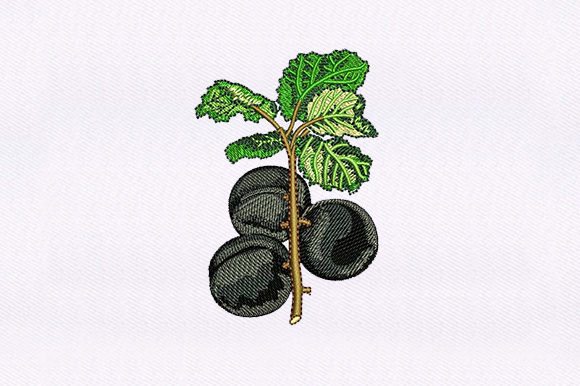
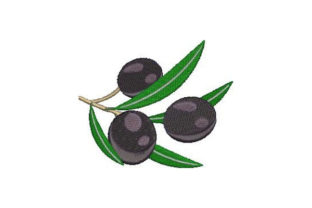
As an embroidery designer who has spent countless weekends behind a craft fair table, I have learned that the difference between a browsing customer and a buying customer often comes down to immediate visual impact. When I first loaded the Black Olives machine embroidery design onto my screen, my initial reaction was one of appreciation for its simplicity and thematic clarity. In the world of handmade products, especially within the Food category, designs need to communicate their message instantly. This lovely olive embroidery design is perfect for your next Mediterranean-themed project, offering a aesthetic that balances rustic charm with modern minimalism.
First Impressions and Aesthetic Appeal
The Black Olives design does not try to be overly complex. Instead, it relies on strong shapes and recognizable imagery. For a craft fair seller, this is a significant advantage. Customers walking past a booth have only seconds to decide whether to stop. A design that is too intricate or abstract might require explanation, but olives are universally understood. The vibe here is distinctly Mediterranean, evoking feelings of fresh ingredients, summer gatherings, and culinary sophistication. It feels both elegant and approachable, making it suitable for a wide range of demographics, from young couples setting up their first kitchen to experienced home cooks who appreciate artisanal details.
When evaluating this as an embroidery file, I look for versatility. Does it scream "trendy" in a way that will fade in six months, or does it have staying power? Olive motifs have a timeless quality. They fit seamlessly into farmhouse, modern rustic, and even contemporary minimalist decor styles. This longevity makes it a safer investment for small shop owners who need to manage inventory carefully.
Product Applications for Maximum Sales
To determine the best use for Black Olives, I imagined setting up a typical weekend market display. The goal is to create a cohesive collection where the design enhances the product rather than overpowering it. Here is how I see this design performing across various handmade items:
- Tote Bags and Market Bags: This is arguably the strongest application. A canvas tote featuring the Black Olives design becomes an instant lifestyle statement. It appeals to shoppers who frequent farmers' markets and grocery stores, aligning perfectly with the eco-friendly and foodie trends. As a tote bag design, it serves as both a functional item and a walking advertisement for your brand.
- Aprons and Kitchen Textiles: Apron embroidery is a staple for culinary-themed collections. Placing this design on the bib of a high-quality linen or cotton apron elevates the perceived value. Similarly, tea towel embroidery benefits from the clean lines of the olive motif. It looks intentional and curated, rather than like a generic mass-produced item.
- Embroidered Patches and Caps: For those looking to create smaller, lower-price-point items, an embroidered patch is an excellent option. The design’s compact nature allows it to work well on curved cap surfaces or as an iron-on accessory for denim jackets. However, care must be taken with stitch density to ensure the patch remains flexible and not too stiff.
- Pillow Covers and Home Decor: A neutral-colored pillow cover with a single, well-placed olive branch or cluster can add a touch of sophistication to a living room. This appeals to customers looking for subtle home accents rather than bold statements.
Production Practicality and Batch Efficiency
For any Etsy seller or boutique maker, time is money. One of the key strengths of the Black Olives design is its potential for batch production. Because the design appears to focus on clear shapes rather than excessive micro-detailing, it likely runs efficiently on most home embroidery machines. This means you can hoop multiple items, run the machine, and move on to finishing tasks without constant thread breaks or trimming issues.
Photography is another critical factor. This design photographs exceptionally well for online listings. The contrast between the dark olive tones and lighter fabrics creates a striking image that pops on social media feeds and digital marketplaces. Whether you are creating a printable mockup for your shop preview or shooting real-life photos, the design provides a clear focal point that draws the eye.
Technical Considerations and Careful Use
While the design is promising, successful execution requires attention to technical details. As a professional, I always advise testing the design on scrap fabric before committing to your final inventory. Here are specific areas to monitor:
- Fabric Texture and Stabilizer: The success of any machine embroidery design depends heavily on the interaction between thread, fabric, and stabilizer. For textured towels, ensure you use a cut-away stabilizer if the fabric is stretchy, or a tear-away for stable wovens. The stitch density must be appropriate for the fabric weight; too dense on a lightweight linen, and the fabric may pucker.
- Thread Colors and Contrast: Since the subject is black olives, thread choice is crucial. Using a true black thread on a dark navy or charcoal fabric will cause the design to disappear. Opt for high-contrast combinations, such as black thread on cream, white, or sage green fabrics. Consider using a slight sheen rayon thread to mimic the natural gloss of an olive, adding a premium feel to the finished product.
- Size and Clarity: If you plan to use this as a small accent on a pocket or cuff, verify that the details remain clear at smaller sizes. Tiny details can get lost or become muddy if the design is scaled down too far. Always check the recommended hoop size and ensure the design fits comfortably within your machine’s capabilities without excessive jumping or trimming.
- Curved Surfaces: When applying this to caps or rounded pouches, hooping technique is vital. Use a magnetic frame or specialized cap driver if available to prevent distortion. The design should sit flat and not pull the fabric unevenly.
Enhancing Brand Consistency and Buyer Engagement
Incorporating Black Olives into your product line can strengthen your brand identity, particularly if you specialize in kitchenware, Mediterranean themes, or organic lifestyles. Consistency in design language helps customers recognize your work. If you pair this embroidery file with other food-related motifs, such as herbs, lemons, or bread, you create a cohesive collection that encourages multiple purchases.
Furthermore, this design aids in buyer engagement. It invites conversation. A customer might ask, "Do you have this in a different color?" or "Would this look good on a napkin set?" These interactions are opportunities to upsell and build relationships. By offering the design on various commercial embroidery products, from ready-to-wear aprons to custom orders, you cater to different buyer preferences and budgets.
Final Verdict for Craft Fair Sellers
Before you begin mass production, remember to confirm commercial licensing terms associated with your digital embroidery file. Ensure you have the right to sell finished products made with this design. Once cleared, I recommend creating at least one real mockup to test the visual appeal in person. Compare how it looks on different fabric colors and textures. Does it stand out on a busy table display? Does it look premium enough to justify your pricing?
The Black Olives design offers a blend of aesthetic charm and practical usability. It is a versatile asset for any embroidery business owner looking to expand their Food-themed offerings. With careful attention to stitch density, thread selection, and fabric choice, this design can become a standout bestseller in your handmade shop. It transforms simple textiles into desirable, giftable items that resonate with the modern consumer’s love for authentic, handcrafted quality.