Review: Mom and Baby Elephant Embroidery Design
As a designer who has spent countless hours digitizing and stitching out various motifs, I have learned that the difference between a good machine embroidery design and a great one often lies in the subtleties of character and technical execution. When I first loaded the Mom and Baby Elephant file into my software, I was looking for more than just a cute image. I was evaluating its potential as a versatile asset for my craft business and its reliability on actual fabric. This review breaks down how this Wild Animals themed Embroidery piece holds up under professional scrutiny, focusing on real-world application rather than just digital previews.
First Impressions: Mood and Visual Personality
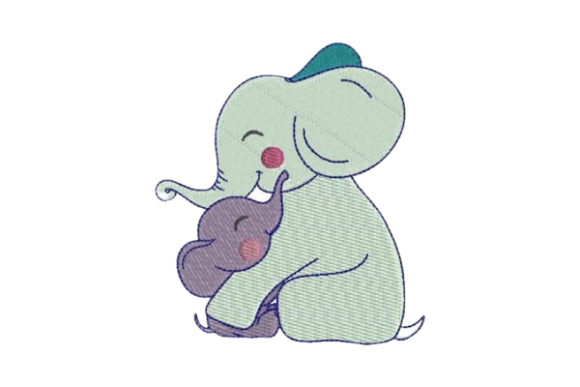
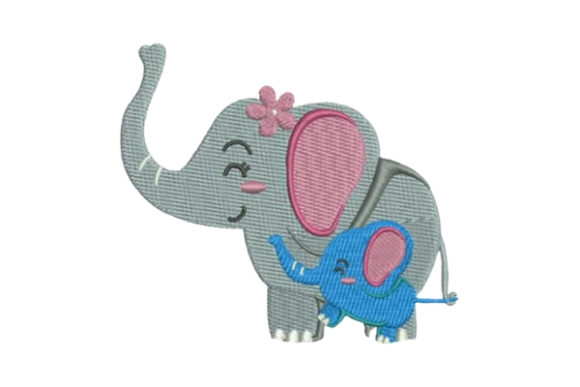
The immediate appeal of the Mom and Baby Elephant design is its warmth. It does not rely on excessive detail or chaotic lines to convey its message. Instead, it uses clean shapes and a tender composition to create a sense of protection and affection. For an embroidery project intended for nursery decor or baby items, this emotional resonance is crucial. The layout is balanced, with the larger figure of the mother providing a stable base for the smaller, playful calf. This visual hierarchy ensures that the design reads clearly even from a distance, which is essential for items like tote bags or wall hangings.
From a technical standpoint, the transition between different stitch types appears thoughtful. While I cannot verify the exact stitch count without running the file, the visual density suggests a mix of fill stitch for the bodies and potentially satin stitch or running stitch for finer details like eyes or trunks. This combination is vital for maintaining texture without creating a stiff, cardboard-like feel on the final finished product.
Real-World Application: Where This Design Shines
To truly test the viability of any digital embroidery file, I mentally place it on various substrates. The Mom and Baby Elephant design is particularly well-suited for several key categories in the handmade market.
- Baby Embroidery and Nursery Decor: This is the most obvious fit. The theme aligns perfectly with baby showers, christenings, and nursery themes. Imagine this stitched onto a soft muslin blanket or a personalized bib. The gentle curves of the elephants complement the softness of baby fabrics.
- Tote Bag Design: For eco-conscious shoppers, a canvas tote featuring this motif adds a touch of whimsy. The design’s solid areas should hold up well against the textured weave of canvas, provided the stitch density is appropriate for the material.
- Sweatshirt Embroidery: Placing this on the left chest of a hoodie or sweatshirt creates a subtle, high-quality look. It works well for custom apparel orders where clients want something unique but not overly loud.
- Personalized Gift Items: Whether it is a pillow cover or a kitchen towel, the universal appeal of animals makes this a safe yet charming choice for holiday gifts. It bridges the gap between childish and sophisticated, making it appealing to adults who appreciate nature-themed decor.
For an Etsy seller or small shop owner, versatility is key. This design can be marketed across multiple niches, from baby products to nature lovers, increasing its potential ROI. However, success depends on how well you present it. Using high-quality printable mockup images that show the texture of the stitches can significantly boost buyer engagement and trust.
Technical Considerations and Fabric Compatibility
While the design is adorable, practical application requires careful attention to materials. Not every fabric behaves the same way under the needle. Here is where my experience as a reviewer comes into play regarding potential pitfalls.
Fabric Texture and Stability: If you are stitching this on a textured fabric like terry cloth or heavy denim, ensure that the smaller details of the baby elephant do not get lost. A stabilizer is non-negotiable here. For stretchy fabrics like jersey knits used in t-shirts, a cut-away stabilizer is recommended to prevent distortion after washing. The weight of the embroidery must be supported by the fabric to avoid puckering.
Hoop Size and Placement: Before purchasing, check the available sizes included in the embroidery file package. If you plan to use this on a cap or a small patch, you need a version that scales down without losing definition. Tiny details can merge together if the design is reduced too much. Always test on scrap fabric first. This allows you to adjust tension and check for thread breaks, especially in dense areas where the trunk meets the body.
Thread Colors and Contrast: The default color map in your software is just a suggestion. For a modern look, consider using monochromatic threads—such as varying shades of grey or blue—to create a subtle, tonal effect. Alternatively, high-contrast threads can make the design pop on dark fabrics. However, be cautious with very dark fabrics; if the design lacks sufficient underlay or density, the fabric color might show through, compromising the clarity of the image.
Commercial Use and Brand Consistency
For those using this as a commercial embroidery asset, consistency is paramount. If you are building a brand around nature or family themes, the Mom and Baby Elephant fits seamlessly into that narrative. It enhances brand recognition by offering a cohesive aesthetic across different products, from aprons to blankets.
However, always verify the license terms. Just because a file is labeled for commercial use does not mean you can resell the design assets themselves. You are typically selling the handmade product or the customized item, not the digital file. Clear communication with customers about what they are buying—whether it is a physical item or a digital download—is essential for maintaining professional trust.
Practical Designer Notes for Best Results
- Test Stitch First: Never run a new design on your final garment without a test run on similar fabric. Check for registration issues where colors meet.
- Check Thread Contrast: View your design in black and white mode in your software. If the details disappear, you may need to adjust the stitch type or density for better visibility.
- Inspect Small Details: Zoom in on the eyes and trunk tips. Ensure there are no unnecessary jump stitches or overly dense clusters that could cause thread breaks.
- Confirm Hoop Size: Match the design size to your hoop capabilities. Do not attempt to stitch a large design in a small hoop by re-hooping unless you are experienced in alignment techniques.
- License Verification: Double-check the provider’s terms regarding mass production versus small batch sales to ensure compliance.
In conclusion, the Mom and Baby Elephant is a strong contender for any designer’s library. It offers a blend of emotional appeal and technical simplicity that makes it accessible for hobbyists while remaining professional enough for boutique sales. By paying attention to fabric choice, stabilization, and thread selection, you can transform this digital file into a stunning physical product that resonates with customers. It is a reminder that in embroidery, the heart of the design matters, but the precision of the execution seals the deal.