Baby Tiger Embroidery Review: A Craft Fair Seller’s Perspective
As an embroidery designer who has spent countless weekends behind a booth table, I know that not every machine embroidery design is created equal when it comes to retail success. Some designs look stunning on a screen but fail to capture attention in person. Others are too complex for quick production or lack the visual punch needed to stop a scrolling thumb on social media. Today, I am reviewing the Baby Tiger design, evaluating its potential as a high-performing craft fair product and a staple for handmade shop owners.
The product description promises a high-quality embroidery suitable for various sewing projects, noting that this cute motif will look adorable on any fabric. But does it hold up under the scrutiny of a professional looking to maximize sales? Let’s break down the aesthetic appeal, practical application, and production viability of this Baby Animals themed piece.
First Impressions: The Visual Hook
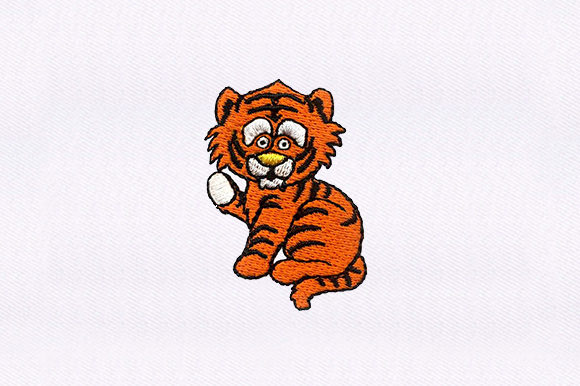
When I first loaded the Baby Tiger file into my editing software, the immediate impression was one of approachable charm. In the world of Embroidery, "cute" is a powerful sales driver, especially for baby-related items and gifts. This design leans heavily into the soft, playful aesthetic that appeals to parents, grandparents, and anyone looking for a heartwarming gift. It does not try to be overly realistic or fierce; instead, it offers a stylized, friendly interpretation of a tiger cub.
For a craft fair setting, this is crucial. Customers walking past a booth have only seconds to decide whether to stop. A design that is instantly recognizable and emotionally engaging, like a baby animal, creates an immediate connection. The Baby Tiger feels modern yet timeless, avoiding trends that might date quickly. It strikes a balance between decorative and minimal, making it versatile enough for both nursery decor and everyday accessories.
Product Application and Versatility
The true test of any digital embroidery file is its versatility across different substrates. Based on the description stating it works on any fabric, I evaluated how this design performs on common best-sellers.
- Tote Bag Design: Placing the Baby Tiger on a canvas tote bag creates an instant best-seller. The contrast of the orange and black threads against natural cotton or white canvas is striking. It transforms a basic utility item into a personalized handmade product that moms love for diaper bags or grocery runs.
- Apron Embroidery: For kitchen-themed booths, this design shines on children’s aprons. It adds a playful touch to cooking activities, making it a perfect gift for young chefs. The placement on the bib area draws the eye immediately.
- Tea Towel Embroidery: Stitching this on waffle-weave or flour sack towels adds value. However, care must be taken with fabric texture. The design needs to sit flat without sinking into deep weaves, so a cut-away stabilizer might be necessary to maintain shape.
- Embroidered Patch: This is perhaps the most profitable application. By stitching the Baby Tiger on twill and cutting it out with a merrowed or satin edge, you create a versatile accessory. Patches allow customers to customize their own jackets, backpacks, or hats, increasing the perceived value of a small item.
- Caps and Headwear: While the description suggests it works on clothes, curved surfaces like caps require careful hooping. If the design is too wide, it may distort on the front panel of a baseball cap. I recommend testing the hoop size compatibility before committing to bulk production.
Production Practicality for Small Shops
For an Etsy seller or boutique maker, time is money. The Baby Tiger appears to be designed with efficiency in mind. A key factor in its success as a small shop product is the likely moderate stitch density. Designs that are too dense take longer to stitch and can cause fabric puckering, while those that are too sparse may look cheap. This design seems to strike a balance that allows for relatively fast run times without sacrificing visual fullness.
Batch production is where this design truly excels. Because the motif is self-contained and does not rely on intricate, tiny lettering that might thread break frequently, it is ideal for stitching multiple units in a row. Whether you are preparing inventory for a holiday market or fulfilling online orders, the repeatability of this commercial embroidery asset is a significant advantage.
Photography and Online Listings
In the digital realm, the Baby Tiger is a photographer’s dream. Its bold shapes and distinct colors pop in photos, making it easier to create compelling printable mockup images or real-life lifestyle shots. For online listings, clarity is key. This design retains its integrity even when viewed as a thumbnail, which is essential for driving clicks on platforms like Etsy or Instagram. Using it in your design assets library ensures consistency across your brand’s visual identity.
Careful-Use Notes and Technical Considerations
While the Baby Tiger is a strong contender for your product line, there are technical nuances to consider before launching. As an experienced designer, I advise paying attention to the following areas:
- Fabric Contrast: Ensure your thread colors contrast sufficiently with the fabric. On dark fabrics, you may need to adjust the underlay or add a white backing stitch to prevent the fabric color from showing through the lighter parts of the tiger.
- Stabilizer Selection: Always use the right stabilizer. For stretchy fabrics like t-shirts, a cut-away stabilizer is non-negotiable to prevent distortion after washing. For woven towels, a tear-away might suffice, but test first.
- Size Limitations: If you plan to shrink this design for small items like baby socks or tiny pouches, check for detail loss. Tiny details can merge together if the design is scaled down too far, losing the definition of the tiger’s features.
- Licensing Verification: Before selling any finished product, confirm the commercial licensing terms of the embroidery file. Ensure you have the right to sell physical items made with this design, as licenses vary by creator.
Enhancing Brand Consistency and Buyer Engagement
Integrating the Baby Tiger into your lineup can strengthen your brand’s narrative, particularly if you specialize in whimsical or child-friendly goods. It adds a cohesive element to your booth display, allowing you to create themed bundles—such as a matching set of a tote bag, bib, and patch. This strategy increases average order value and enhances buyer engagement.
Furthermore, having a recognizable signature design helps build customer loyalty. When people see that specific tiger face, they associate it with your quality and style. This emotional connection is what turns a one-time buyer into a repeat customer.
Final Designer Verdict
The Baby Tiger is a robust addition to any embroidery entrepreneur’s library. It meets the critical criteria for a successful craft fair product: it is visually appealing, emotionally resonant, and practically producible. By testing the design on scrap fabric, checking hoop compatibility, and ensuring proper stabilization, you can mitigate production risks and maximize profit margins.
Remember, the key to success lies not just in the design itself, but in how you present it. Use high-quality materials, ensure neat finishing, and photograph the Baby Tiger in contexts that tell a story. Whether stitched on a cozy pillow cover or a sturdy market bag, this design has the potential to become a standout item in your handmade collection. Always verify the specific file formats and stitch counts provided by the creator to ensure compatibility with your machine, and then let your creativity drive the sales.