Skull and Crossbones: A Designer’s Review
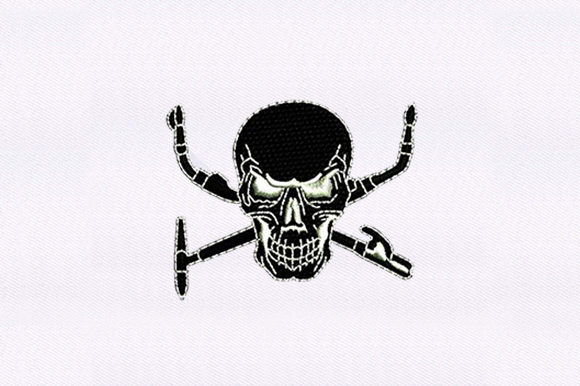
As an embroidery designer who has spent years digitizing files for small businesses, I approach every new machine embroidery design with a critical eye. It is not just about whether the image looks good on a screen; it is about how it translates to fabric, how it holds up in the wash, and most importantly, how it serves the brand identity of the client. Today, I am reviewing the Skull and Crossbones design, a piece that sits squarely in the Halloween category but offers far more versatility for year-round commercial use than one might initially assume.
The product description promises a high-quality embroidery suitable for any sewing project, claiming it will look great on any fabric or clothes. While this is a bold claim, my experience tells me that "any fabric" requires careful interpretation. Let us break down how this design performs in real-world scenarios for boutique owners, Etsy sellers, and apparel decorators.
First Impressions and Visual Personality
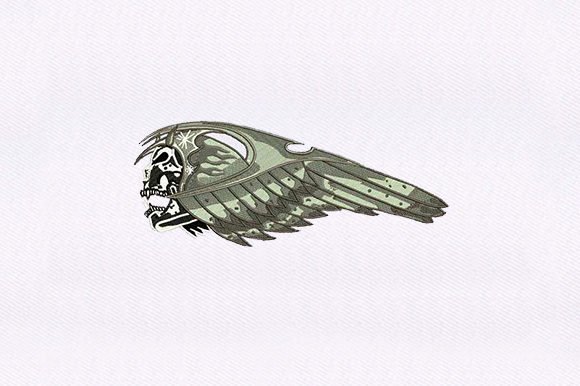
Upon loading the digital embroidery file, the first thing I notice is the inherent boldness of the motif. The Skull and Crossbones is a classic symbol, often associated with rebellion, danger, or pirate lore. However, in the context of modern handmade brands, it frequently signals edgy sophistication or playful spookiness. The design feels professional yet decorative, striking a balance between a rugged aesthetic and a clean, stitched finish.
For a small business owner, this visual personality is crucial. If you run a rock-themed café, a tattoo parlor, or a streetwear brand, this design aligns perfectly with your brand identity. It is not overly rustic, nor is it strictly elegant; it is assertive. This assertiveness makes it an excellent choice for items where you want immediate visual impact, such as the back of a jacket or the center of a tote bag.
Real-World Applications for Small Business Merch
The true test of any embroidery asset is its versatility across different products. Here is how I envision the Skull and Crossbones performing in various commercial applications:
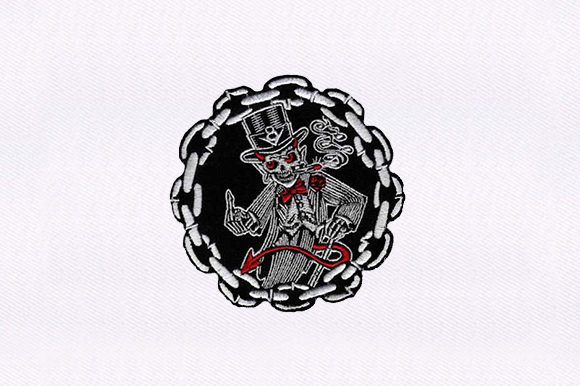
- Embroidered Patches: This is perhaps the strongest use case. A patch allows for higher stitch density without compromising the integrity of the base garment. You can create iron-on or velcro-backed patches featuring this design to sell as standalone accessories or to add to denim jackets and backpacks.
- Custom Apparel and Uniforms: For staff uniforms in creative studios or bars, placing this design on the sleeve or chest pocket adds a unique touch. It transforms a standard work shirt into a piece of custom apparel that employees are proud to wear.
- Tote Bag Design: Canvas totes are a staple for florists, bakeries, and bookshops. A well-digitized Skull and Crossbones can serve as a striking central motif. Ensure the thread colors contrast sharply with the bag color for maximum visibility.
- Cap Embroidery: Front-panel cap embroidery requires precision. If the design is too wide, it will distort on the curved surface. I recommend checking the width of the design against standard cap hoop sizes before committing to production.
- Apron Embroidery: For butcher shops, breweries, or artisanal kitchens, an apron with this emblem suggests a blend of toughness and craft. It elevates the perceived value of the handmade product.
Technical Considerations and Stitch Density
While the description states this is a detailed embroidery, detail can be a double-edged sword in machine embroidery. High detail often means high stitch density. When working with small business merch, you must consider the fabric texture. Delicate fabrics may pucker under heavy stitching, while sturdy denim or canvas will handle it well.
I strongly advise testing the design on a scrap piece of your intended fabric before running a full production batch. Pay close attention to the spacing between elements. In a Skull and Crossbones motif, the gaps between the bones and the skull are critical. If these areas are too narrow, threads may bridge or overlap, causing a messy finished product. Using the correct stabilizer is non-negotiable here; a cut-away stabilizer is often best for garments that will undergo frequent washing, ensuring the design remains stable over time.
Navigating Size and Scale
One common mistake I see is shrinking complex designs too much. If you plan to use this as a small chest logo or a tiny label accent, verify that the details remain distinct at that size. Tiny lettering or intricate outlines can disappear or become a blob of thread if scaled down excessively. Always create a printable mockup at the actual size to inspect legibility and clarity.
Brand Identity and Customer Trust
Using a recognizable symbol like the Skull and Crossbones can significantly boost brand recognition. It acts as a visual shorthand for your brand’s values—whether that is edginess, tradition, or humor. Consistency is key. If this design becomes part of your core design assets, use it consistently across your packaging, social media, and physical products. This visual consistency builds customer trust and professionalism.
For Etsy sellers and crafters, offering items with this design can attract a specific niche audience. Buyers looking for unique, non-generic merchandise are drawn to strong graphical elements. By presenting the finished product with high-quality photography and clear descriptions of the embroidery quality, you enhance buyer engagement and perceived value.
Practical Designer Notes for Production
Before you launch your next campaign featuring this design, keep these practical steps in mind:
- Test in Black and White First: Run a sample using only black thread on white fabric. This helps you evaluate the structure and stitch path without the distraction of color. If it looks good in monochrome, it will likely look good in color.
- Check Thread Color Contrast: If you are stitching on dark uniforms, ensure you have a high-contrast thread color. White or silver threads often pop best against black fabric, maintaining the boldness of the skull motif.
- Confirm Hoop Size: The product description does not specify exact hoop requirements. Check the file details to ensure it fits your machine’s maximum hoop size. If it is a large design, you may need a multi-position hoop or a larger industrial machine.
- Review Commercial Licensing: Never assume a digital embroidery file includes commercial rights. Confirm the license terms before using the design for any items you intend to sell. This protects your business from legal issues.
- Compare Beside Other Assets: Place this design next to your existing logos and patterns. Does it complement them? Does it clash? Ensure it fits within your overall brand aesthetic.
Final Verdict for Commercial Use
The Skull and Crossbones design is a potent tool for small business owners looking to add character to their merchandise. It is not just a seasonal Halloween item; it is a versatile graphic that can anchor a brand’s visual identity when used correctly. Whether you are creating embroidered patches for a local bike shop, designing custom aprons for a trendy bakery, or adding flair to tote bags for a bookstore, this design offers the boldness needed to stand out.
Remember, the quality of the final product depends heavily on your execution. Choose the right fabric, use appropriate stabilizers, and test thoroughly. By treating this embroidery file as a strategic business asset rather than just a decoration, you can create high-value items that resonate with your customers and elevate your brand. Always prioritize the technical details—stitch density, thread tension, and hoop stability—to ensure that every piece you produce reflects the professionalism your clients expect.