Flying Skull Wings: A Designer’s Review
As an embroidery designer who has spent countless hours hunched over hoops and navigating the chaotic joy of weekend craft fairs, I have learned that not every design translates from screen to sales. When I first loaded the Flying Skull Wings file into my digitizing software, I was looking for more than just aesthetic appeal. I was looking for a workhorse—a machine embroidery design that could carry the weight of a busy booth display while remaining practical for batch production. This review breaks down how this specific motif performs in the real world of handmade commerce, specifically for those targeting the Halloween market or gothic-inspired niches year-round.
First Impressions and Visual Impact
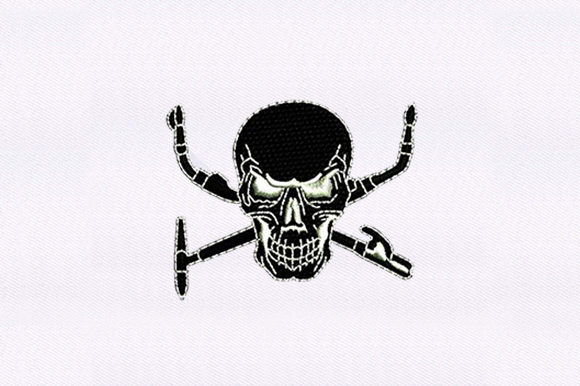
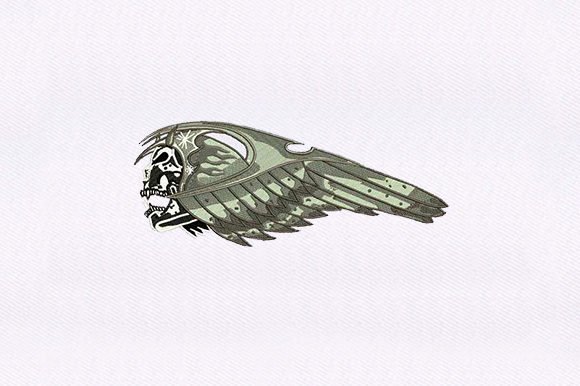
The immediate impression of Flying Skull Wings is one of bold, graphic energy. It does not whisper; it shouts. In a sea of delicate florals and minimalist line art often found on Etsy, this design commands attention. It strikes a balance between edgy and playful, making it versatile enough for a teen’s backpack or a modern home decor piece. The "flying" aspect suggests motion, which adds a dynamic quality that static skulls often lack. For a craft fair seller, this movement is crucial. It catches the eye of a passerby scanning a table from three feet away. The design feels modern and slightly rustic, depending entirely on your thread choices, allowing it to fit into both spooky seasonal displays and alternative lifestyle boutiques.
Product Versatility and Market Fit
The true test of any digital embroidery file is its adaptability. I evaluated Flying Skull Wings across several common craft fair product categories to determine where it shines brightest.
- Tote Bags and Market Bags: This is arguably the strongest application. A large-scale placement on a canvas tote creates an instant statement piece. The wings can span the width of the bag, creating a symmetrical, balanced look that appeals to buyers looking for unique, everyday accessories.
- Aprons and Tea Towels: For kitchen textiles, the design works well as a central focal point. However, on a tea towel embroidery project, you must be mindful of the fabric texture. Thinner linens may pucker if the stitch density is too high, so testing is essential.
- Embroidered Patches: If you offer custom patches, this design is ideal. The wing structure allows for a clean merrowed edge or a satin stitch border. Patches are high-margin small shop products that allow customers to buy into your brand without committing to a larger item.
- Caps and Headwear: Applying this to curved surfaces requires careful hooping. The wings might need to be split or resized to fit the front panel of a dad hat without distorting. It is a challenging but rewarding application for experienced makers.
- Pillow Covers: A centered skull with spread wings makes for a striking throw pillow. It elevates a basic cushion cover into a decorative accent piece, perfect for customers updating their living spaces for autumn.
Production Practicality for Sellers
For the Etsy seller or boutique maker, time is money. Flying Skull Wings appears to be designed with efficiency in mind. The lines are clean, suggesting that the pathing is optimized to reduce jump stitches and thread trims. This is vital when you are producing fifty units for a Saturday market. A design that looks great but takes forty minutes to stitch is less profitable than one that takes fifteen and sells just as well.
Photography is another critical factor. This design photographs exceptionally well because of its high contrast. Whether you are creating a printable mockup for your online store or snapping photos on your phone at the fair, the distinct shapes of the skull and wings register clearly even in smaller thumbnail images. This clarity helps drive clicks and engagement on social media platforms where visual stop-power is everything.
Navigating Technical Challenges
While the design is robust, there are careful-use notes every embroiderer should consider. Dense stitch areas, particularly around the eye sockets or the center of the skull, can cause puckering on lightweight fabrics. If you are stitching on a thin cotton or a textured towel, using the correct stabilizer is non-negotiable. A cut-away stabilizer is often safer for garments that will be washed frequently, while tear-away might suffice for decorative items like wall hangings.
Additionally, consider the thread colors. On dark fabrics, standard black thread may disappear. Using a slightly lighter charcoal or a metallic thread can add dimension and ensure the design remains visible. Conversely, on light fabrics, ensure your bobbin thread matches the top thread to avoid unsightly dots showing through the dense stitching. Always check the hoop size requirements before starting. If the design is large, ensure your machine can accommodate the necessary frame without hitting the clamps or buttons of the garment.
Enhancing Brand and Buyer Engagement
Incorporating Flying Skull Wings into your lineup does more than just add inventory; it strengthens your brand identity. It signals to customers that your shop is not afraid of bold aesthetics. This consistency helps build a loyal following among buyers who appreciate edgy, handmade quality. At a craft fair, this design can serve as an anchor for your display. Surrounding it with complementary items—such as black candles, vintage books, or dark florals—creates a cohesive vignette that draws people in.
Buyer engagement increases when customers can see the versatility of the design. Displaying the same motif on a patch, a tote, and a pillow shows the range of your skills and the quality of your commercial embroidery work. It invites questions and conversations, which are the lifeblood of direct sales. When a customer asks, "Can you put this on a jacket?" you already have the answer ready because you have tested the design’s limits.
Designer Notes for Best Results
Before you commit to a full production run, follow these professional steps:
- Test on Scrap Fabric: Never stitch a new design directly on a final product. Use scraps of the exact fabric you intend to sell to check for tension issues and registration.
- Check Stitch Density: Inspect the back of your test stitch-out. If it looks like a solid block of thread, you may need to adjust your tension or use a heavier stabilizer to prevent stiffness.
- Verify Licensing: Ensure you have the appropriate rights for commercial embroidery. Most designers offer different licenses for personal vs. commercial use. Confirm this before selling any finished product.
- Create Real Mockups: While digital assets are useful, nothing sells like a photo of the actual item. Stitch one sample piece perfectly and use it for all your marketing materials.
- Compare Fabric Colors: Stitch the design on white, black, grey, and a colored fabric. You may find that certain color combinations pop more than others, allowing you to curate a best-seller list.
In conclusion, Flying Skull Wings is a potent addition to any embroidery business focused on bold, thematic designs. It balances artistic flair with production practicality, making it a reliable choice for both online listings and physical craft fair booths. By paying attention to fabric choice, stabilizer selection, and strategic product placement, you can maximize the profit potential of this striking embroidery file. Whether you are a seasoned Etsy seller or a newcomer to the handmade market, this design offers the visual punch needed to stand out in a crowded marketplace.