Pride Cloud: A Designer’s Review for Branded Merch
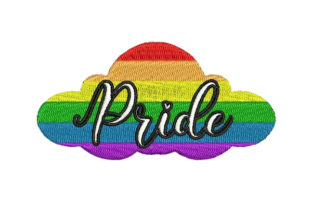
As an embroidery designer who has spent years digitizing and testing files for small businesses, I approach every new machine embroidery design with a critical eye. It is not just about whether a motif looks cute on a screen; it is about how it performs in the real world of commercial production. Recently, I evaluated Pride Cloud, a design centered on themes of love and acceptance. For boutique owners, café operators, and handmade brands looking to expand their product lines, this piece offers a unique opportunity to blend social awareness with stylish branding.
First Impressions: Visual Personality and Brand Fit
The immediate impression of Pride Cloud is one of approachable warmth. The description promises "just love and acceptance," and visually, the design delivers a soft, inclusive aesthetic. It does not scream for attention with aggressive lines or overly complex shading. Instead, it feels friendly, playful, and modern. This visual personality is crucial for businesses that want to project a welcoming atmosphere. Whether you run a local bakery, a pet grooming studio, or a creative co-working space, the vibe here is universally positive.
For brand identity, this matters immensely. Customers today connect with values. Using a design that symbolizes pride and acceptance can deepen customer trust and engagement. However, from a technical standpoint, "cute" can sometimes translate to "fragile" if not handled correctly. My initial review suggests that while the design is versatile, its success depends heavily on execution. It is not merely decorative; it is a statement piece that needs to look professional to maintain the perceived value of your small business merch.
Real-World Applications for Small Business Merchandise
Where does Pride Cloud shine in a commercial setting? I see several high-value applications for this digital embroidery file across various industries.
- Embroidered Patches: This is perhaps the strongest use case. A well-made patch can be sold as a standalone accessory or used to upgrade plain garments. The cloud motif likely has defined edges that would hold up well in a merrowed or satin border patch, making it ideal for denim jackets or canvas bags.
- Tote Bag Design: Canvas totes are staples for bookstores, florists, and markets. Placing Pride Cloud centrally on a natural or colored canvas creates an instant branded item. The design’s ability to "match with all your clothes" suggests it uses a color palette that complements neutral fabrics, enhancing its retail appeal.
- Staff Uniforms and Aprons: For cafés and boutiques, staff apparel is walking advertising. Embroidering this design on the chest pocket of an apron or the sleeve of a work shirt adds a touch of personality without being overwhelming. It signals to customers that your business is inclusive and proud of its identity.
- Cap Embroidery: A smaller version of this design could work beautifully on the front panel of a dad hat or trucker cap. Caps are high-margin items for event merch and retail counters.
When used in these contexts, the design moves beyond simple Awareness category tagging and becomes a functional asset. It helps create a cohesive look across your design assets, from packaging accents to customer gifts.
Technical Considerations and Production Challenges
While the concept is strong, any experienced embroiderer knows that the devil is in the details. Before running a full batch of custom apparel, you must address specific technical constraints. The description notes that the design is cute and colorful, but we must consider how those colors interact with different fabrics.
Stitch density is a primary concern. If the cloud shape relies on heavy fill stitches to achieve a solid look, it may cause puckering on lightweight fabrics like thin cotton t-shirts or silk blends. Conversely, if the density is too low, the fabric underneath might show through, ruining the crispness of the image. I strongly advise testing the embroidery file on the exact material you plan to use. For textured fabrics like terrycloth towels or rough canvas, you may need to adjust underlay stitches to ensure the top threads sit correctly.
Another critical factor is scale. If you intend to use Pride Cloud as a tiny label or a small chest logo, check the legibility. Detailed outlines can merge together when shrunk below two inches. Always create a printable mockup at actual size to verify that the "love and acceptance" message remains clear and that the cloud shape retains its definition. If the design includes any text, ensure it is large enough to be read easily; tiny lettering is the first thing to lose clarity in production.
Fabric and Stabilizer Selection
The choice of stabilizer will make or break the finished product. For stretchy fabrics used in t-shirts, a cut-away stabilizer is usually non-negotiable to prevent distortion after washing. For woven fabrics like tote bags or caps, a tear-away might suffice, but only if the stitch count is moderate. Since the description mentions the design matches all colors, you might be using it on dark uniforms. Ensure your thread colors have enough contrast against dark backgrounds, or consider adding a white underlay to pop the colors.
Enhancing Brand Identity and Customer Trust
Using Pride Cloud is not just about adding a pretty picture; it is about strategic branding. When customers see consistent, high-quality Embroidery on your products, it signals professionalism. A sloppy stitch-out can damage brand reputation, while a clean, crisp design builds confidence. This design allows you to tap into the emotional connection of pride and community. It tells your customers that your business stands for something.
For Etsy sellers and crafters, this versatility is a selling point. You can offer it as part of a limited-edition Pride collection or as a year-round symbol of inclusivity. The key is consistency. Use the same thread colors and placement across your product line to build visual recognition. Whether it is on a mug wrap, a notebook cover, or a shirt, the design should feel like part of a unified family of handmade product offerings.
Practical Designer Notes for Implementation
Before you commit to a large production run, follow these steps to ensure quality control:
- Test in Black and White: Stitch out the design in monochrome first. This helps you evaluate the structure and spacing without the distraction of color. If it looks good in black and white, it will likely look great in color.
- Check Hoop Size Compatibility: Confirm the required hoop size for the design. Ensure your machine can accommodate it, especially if you are doing multi-head production. Do not assume standard sizes; check the specific file details.
- Review Thread Color Contrast: Select threads that complement your base fabric. If the design is meant to be vibrant, use high-sheen rayon or polyester threads. For a rustic, handmade look, matte cotton threads might be more appropriate.
- Confirm Commercial Licensing: This is vital. The description mentions it is a machine embroidery design, but you must verify the license terms. Can you sell finished goods? Are there restrictions on volume? Never assume; always read the license included with the digital embroidery file.
- Create Client Mockups: If you are doing B2B work, show your clients a realistic mockup. Place the design on a photo of the actual garment they are ordering. This manages expectations and reduces revisions.
In conclusion, Pride Cloud is a promising addition to your library of commercial embroidery resources. It balances emotional resonance with aesthetic flexibility. By paying attention to technical details like stabilizer choice, stitch density, and fabric texture, you can transform this simple design into a powerful tool for brand building. It is not just about stitching a cloud; it is about stitching a value proposition into every item you sell. Take the time to test, refine, and present it professionally, and it will serve your small business well.