Mr Mr Embroidery Review: A Designer’s Take on Quirky Branding
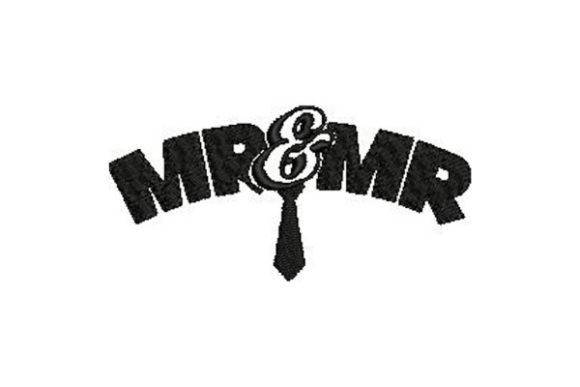
As an embroidery designer who has spent years digitizing logos and testing files for small business clients, I approach every new machine embroidery design with a critical eye. It is not just about whether the design looks cute on a screen; it is about how it performs under the needle, how it translates to fabric, and ultimately, how it serves the brand identity of the business using it. Recently, I reviewed the Mr Mr design, categorized under Bachelor and Embroidery themes, to determine its viability for commercial use. This review is tailored for small business owners, Etsy sellers, apparel decorators, and crafters looking to elevate their merchandise with unique, personality-driven stitching.
First Impressions: Personality Meets Professionalism
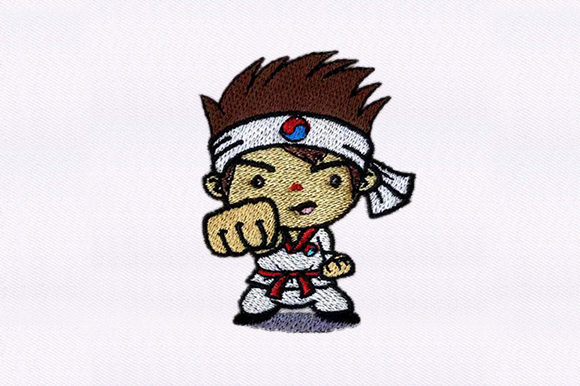
The immediate appeal of Mr Mr lies in its quirky nature. The product description promises "funny stitches" and a cute aesthetic that works well with almost anything. From a design perspective, this versatility is both a blessing and a challenge. When I first loaded the digital embroidery file, I looked for balance. Does the quirkiness undermine professionalism? In this case, the answer is no. The design feels friendly and approachable, making it an excellent candidate for brands that want to appear human, handmade, and relatable rather than corporate and stiff.
For a boutique, creative studio, or local café, this visual personality is gold. It suggests a brand that does not take itself too seriously but still cares about quality. However, because the design is described as "quirky," it requires careful placement. It is not a subtle background element; it is a statement piece. This makes it ideal for small business merch where the goal is to spark conversation or create an emotional connection with the customer.
Real-World Applications for Small Business Merchandise
When evaluating Mr Mr for real-world use, I imagined several common scenarios for my clients. Here is how this design performs across different product categories:
- Embroidered Patches: This is perhaps the strongest use case. A quirky design like this thrives on a patch because it can be removed or swapped, allowing customers to customize their jackets or bags. The "cute" factor drives impulse buys at craft fairs or online shops.
- Apron Embroidery: For bakeries, florists, or baristas, an apron with a playful chest logo adds character to staff uniforms. It breaks the monotony of standard workwear and reinforces a fun, welcoming atmosphere.
- Cap Embroidery: Placing Mr Mr on the front or side of a cap can create a trendy, streetwear-inspired look. However, curved surfaces require precise digitizing to prevent distortion, so testing is crucial.
- Tote Bag Design: Canvas totes are a staple for handmade brands. A central or corner placement of this design turns a simple bag into a branded asset that customers will use daily, increasing brand visibility.
- Custom Apparel: Whether it is a crewneck sweatshirt or a t-shirt pocket detail, the design works well as an accent. It is not overwhelming, which allows it to pair nicely with other design assets in a collection.
Navigating Technical Challenges and Fabric Constraints
While the aesthetic is strong, the technical execution determines the quality of the finished product. As a designer, I always advise checking specific details before running a production batch. The product description notes that the file comes in multiple formats, which is essential for compatibility with various machines. However, it does not specify exact stitch counts or density. This is where caution is needed.
Stitch density is a critical factor. If the design is too dense for lightweight fabrics, it can cause puckering or stiffness. For items like thin cotton tees or silk blends, you must use a proper stabilizer—likely a cut-away for durability or a tear-away for softer hand feel. Conversely, if the design is too open, it might not cover dark uniforms effectively without an underlay or backing fabric.
Another consideration is fabric texture. Quirky designs with fine details can get lost on fluffy towels or textured knits. I recommend testing Mr Mr on a smooth, medium-weight cotton first. If you plan to use it on rugged materials like denim or canvas for tote bags, ensure the needle size and thread tension are adjusted to prevent thread breaks or skipped stitches.
Size and Placement Matters
One common mistake in commercial embroidery is scaling a design too small. If Mr Mr contains intricate lines or small text elements, shrinking it for a tiny patch or a subtle sleeve detail could result in illegible stitching. Always check the minimum recommended size. If the design relies on bold shapes, it can scale down better than one reliant on fine outlines. Create a printable mockup at actual size to verify readability before hooping your fabric.
Impact on Brand Identity and Customer Trust
Why does the choice of embroidery design matter for business growth? Because every stitch contributes to your brand identity. Using a generic clipart-style design can make a handmade product feel mass-produced. In contrast, a well-chosen, quirky design like Mr Mr signals creativity and attention to detail. It tells the customer that the brand has personality.
For Etsy sellers and craft businesses, this differentiation is vital. When a customer receives a package with a beautifully embroidered item, the tactile quality of the thread and the precision of the stitches build trust. It elevates the perceived value of the product. A simple tote bag becomes a premium accessory; a plain cap becomes a collector’s item. Consistency is key. If Mr Mr aligns with your other visual elements, it strengthens recognition. If it clashes, it can confuse your audience. Therefore, compare it beside your existing design assets to ensure visual harmony.
Practical Designer Notes for Production
Before you commit to using Mr Mr for a large order or client project, follow these practical steps to ensure success:
- Test in Black and White: Remove color variables to check the structural integrity of the design. If it looks good in monochrome, it will likely hold up in color.
- Check Thread Color Contrast: Quirky designs often rely on contrast to pop. Ensure your chosen thread colors stand out against the fabric. High contrast enhances visibility, while low contrast creates a subtle, tonal look.
- Confirm Hoop Size: Verify that the design fits comfortably within your machine’s hoop without requiring re-hooping, which can lead to alignment issues.
- Review Commercial Licensing: The description mentions it is for collection use, but always confirm the license terms. Ensure you have the right to use the embroidery file for commercial sales, especially if you are producing items for third-party clients.
- Create Client Mockups: If you are a decorator working with a business owner, show them a digital or physical sample. Approval based on a screen image can lead to disappointment if the texture differs in reality.
Final Verdict: Is Mr Mr Right for Your Business?
The Mr Mr embroidery design is a solid addition to the toolkit of any creator focusing on playful, approachable branding. It excels in applications where personality is paramount, such as boutique merchandise, staff uniforms for creative industries, and custom gifts. Its versatility allows it to adapt to various products, from caps to tote bags, provided that technical considerations like stabilizer choice and fabric texture are addressed.
For small business owners, this design offers a way to inject humor and warmth into their product lines. It is not just decoration; it is a communication tool. By using high-quality commercial embroidery practices and respecting the nuances of the design, you can transform this quirky pattern into a powerful asset for your brand. Remember, the best embroidery is not just seen; it is felt. Ensure that every stitch of Mr Mr reflects the care and craftsmanship your customers expect from your handmade products.