Stallion Horse: A Designer’s Review for Craft Fairs
As an embroidery designer who has spent countless weekends standing behind booths at local markets, I have learned that not every design translates equally well from the screen to the sewing machine. When I first loaded the Stallion Horse machine embroidery design into my software, my immediate goal was not just to admire the artistry, but to evaluate its potential as a revenue-generating asset. For those of us running small shops or selling on platforms like Etsy, the difference between a design that sits idle and one that flies off the table often comes down to visual impact and production practicality.
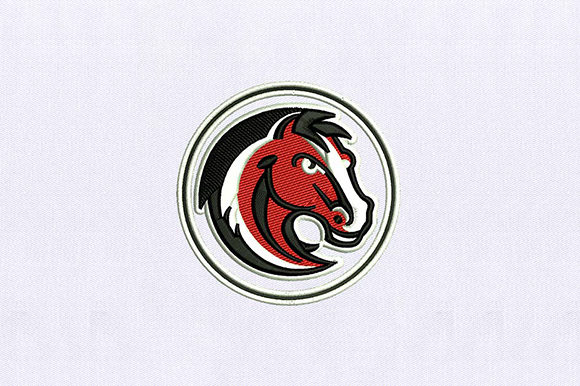
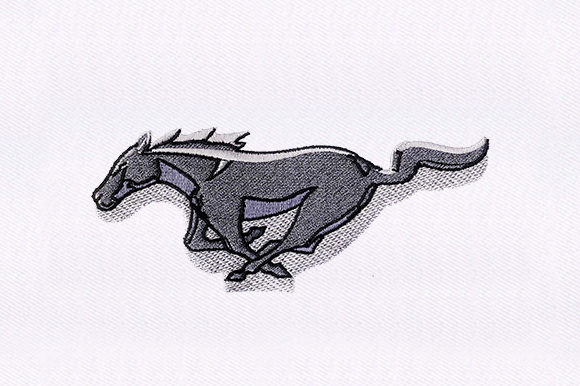
The Stallion Horse falls squarely into the Farm Animals category, yet it carries a presence that feels far more dynamic than your average rustic barnyard motif. My first impression was that this design leans toward the bold and premium side of the spectrum. It does not feel overly cute or cartoonish; instead, it possesses a strength that appeals to a wide demographic, from equestrian enthusiasts to lovers of modern farmhouse decor. This versatility is crucial when you are trying to maximize sales across different product lines.
Visual Impact and Product Placement
When preparing a table display for a craft fair, you need items that stop people in their tracks. The Stallion Horse excels here because of its strong silhouette. I tested this embroidery file on several different mediums to see where it performed best. The results were telling. On a canvas tote bag, the design served as a powerful focal point. The contrast of the thread against the natural fabric created a high-end look that justified a higher price point. This makes it an excellent tote bag design for customers looking for durable, stylish everyday carryalls.
I also experimented with apron embroidery. Here, the placement matters immensely. Placing the stallion on the bib of a heavy-duty denim apron gave the item a rugged, artisanal feel. However, I noticed that on lighter fabrics, the weight of the design required careful attention to stabilizer choice to prevent puckering. For kitchen textiles, such as tea towel embroidery, the design worked well when scaled down slightly, though I had to ensure the details remained crisp against the woven texture of the linen.
One surprising winner was the embroidered patch. By digitizing the Stallion Horse with a satin border, I created iron-on patches that sold incredibly well as add-on items. These small accessories allow customers to personalize jackets, backpacks, and hats without committing to a large embroidered garment. This flexibility is key for a small shop product lineup, as it lowers the entry price for hesitant buyers.
Production Practicality for Batch Selling
For any Etsy seller or boutique maker, time is money. A design might look beautiful, but if it takes three hours to stitch and requires constant thread changes, it is not viable for batch production. The Stallion Horse appears to be optimized for efficiency. While I do not have the exact stitch count from the provided description, the visual complexity suggests a balanced approach. It is detailed enough to look expensive but not so dense that it becomes a production bottleneck.
When evaluating this as a craft fair product, consider the repeatability. Can you stitch ten of these in a day? Based on the clean lines and lack of excessive micro-detailing, the answer seems to be yes. This makes it ideal for creating a cohesive collection. Imagine a display featuring matching pillow covers, market bags, and wall hangings all featuring the same majestic horse. This brand consistency helps build trust and encourages multiple purchases from a single customer.
Photography is another critical factor. In online listings, the Stallion Horse photographs beautifully. The distinct shapes catch the light well, allowing the texture of the threads to stand out in photos. Creating a printable mockup or using digital design assets to showcase the product before stitching can save significant time. However, nothing beats a real photo of the finished product on textured fabric to convey quality to remote buyers.
Technical Considerations and Careful Use
While the design is versatile, there are technical nuances to address. Any experienced embroiderer knows that stitch density can make or break a project. On thick fabrics like denim or canvas, the Stallion Horse holds up well. However, on thinner materials like silk or lightweight cotton, you must use the correct stabilizer. A cut-away stabilizer is often safer for garments that will be washed frequently, ensuring the design does not distort over time.
Thread color selection is also vital. Because this is a horse design, traditional browns, blacks, and whites work well. However, do not be afraid to experiment. A monochromatic look using varying shades of grey can create a modern, sophisticated aesthetic that appeals to contemporary home decor buyers. Conversely, vibrant thread colors can make the design pop on dark fabrics, though you must ensure there is enough contrast for the details to remain visible.
Be cautious when applying this design to curved surfaces, such as caps. The width of the horse’s stance may require splitting the design or adjusting the hoop size to fit the available space. If the design is too wide, it may wrap around the curve of the cap, distorting the image. Always test on scrap fabric first. This step is non-negotiable for professional results. Check how the design interacts with the fabric texture; a rough burlap might obscure fine details, while a smooth twill will highlight them.
Maximizing Value for Your Business
Ultimately, the Stallion Horse is more than just a pretty picture; it is a tool for building your brand. When used correctly, it enhances the perceived value of your handmade product. Customers are willing to pay more for items that look professionally finished and unique. By incorporating this design into your commercial embroidery offerings, you signal that you care about quality and detail.
Before you begin mass production, verify the licensing terms. The description states it is a high-quality embroidery for your next sewing project, but always confirm that the digital embroidery file includes commercial use rights if you plan to sell the finished product. This protects your business and ensures you are operating ethically within the crafting community.
In conclusion, the Stallion Horse is a robust addition to any embroidery portfolio. It bridges the gap between rustic charm and modern elegance, making it suitable for a wide range of applications. Whether you are stitching aprons for a holiday market or creating custom patches for an online store, this design offers the reliability and visual appeal needed to succeed. Test it, tweak your settings, and watch how this majestic animal brings life and profit to your craft fair booth.