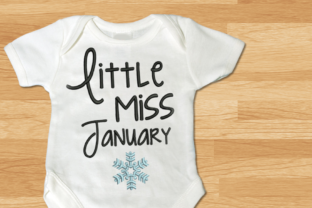
Little Miss January Snowflake: A Designer’s Review
As an embroidery designer who has spent countless weekends behind a craft fair table, I know that the difference between a browser and a buyer often comes down to visual impact and perceived value. When I first loaded the Little Miss January Snowflake machine embroidery design onto my screen, my immediate thought was about its potential as a high-turnover craft fair product. This piece, drawn from the adorable Little Miss and Mister collection, captures a specific mood that is essential for winter sales: it is soft, festive, and undeniably cute without being overly complex.
The design features the text “Little Miss January” paired with a charming embroidered snowflake icon. For those of us running small shop products or Etsy stores, this combination of typography and iconography is gold. It creates an instant emotional connection, particularly for parents looking for monthly milestone photos or grandparents seeking personalized gifts. In this review, I will break down how this design performs in real-world production scenarios, focusing on what sells, what looks professional, and how to maximize your return on investment.
First Impressions and Visual Appeal
The aesthetic of Little Miss January Snowflake leans heavily into the "soft festive" category. It is not loud or aggressive; rather, it feels gentle and premium. The snowflake icon provides a geometric counterpoint to the likely script or rounded font of the text, creating a balanced composition. For a winter-themed booth, this design serves as an excellent anchor. It signals to customers that your brand understands seasonal trends but maintains a timeless, handmade quality.
When evaluating a digital embroidery file for commercial use, clarity is key. This design appears to be optimized for readability. The phrase “Little Miss January” is distinct enough to be read at a glance, which is crucial when customers are walking past your display. If the lettering were too thin or the snowflake too intricate, it might get lost on textured fabrics. However, based on the description, this design seems engineered to maintain integrity across various applications, making it a versatile asset for your design library.
Product Applications for Maximum Sales
To truly gauge the value of this embroidery file, we must look at where it shines physically. I imagine setting up a table with a variety of blank goods, testing where this design creates the most desire.
- Tote Bag Design: A canvas tote with this design centered or placed on the lower corner is a top seller. The flat surface of a tote allows the stitch density to lay smoothly, and the white or pastel threads typically used for snowflakes pop beautifully against natural cotton or denim.
- Apron Embroidery: Kitchen aprons are perennial favorites. Placing Little Miss January Snowflake on the bib or the lower skirt of an apron adds a personalized touch that elevates a simple utility item into a giftable handmade product.
- Tea Towel Embroidery: This is perhaps the most natural fit. Flour sack towels have a loose weave, so you must be mindful of stabilizer choice, but the result is incredibly charming. These sell well as sets, especially if you offer other months in the collection.
- Embroidered Patch: If you want to minimize risk, create iron-on or sew-on patches. This allows customers to buy the design application without committing to a specific garment, expanding your potential customer base.
- Caps and Hats: While popular, curved surfaces can distort text. If you choose to embroider this on caps, ensure you are using the correct hoop size and a stiff stabilizer to prevent puckering around the snowflake details.
Production Practicality and Batch Efficiency
For any embroidery business owner, time is money. One of the strongest aspects of Little Miss January Snowflake is its suitability for batch production. The design does not appear to have excessive jump stitches or overly dense fill areas that would slow down your machine or cause thread breaks. This efficiency means you can produce multiple units—such as a run of ten tote bags or twenty patches—in a single afternoon.
Photography is another critical factor. This design photographs exceptionally well for online listings. The contrast between the snowflake icon and the text creates visual interest in thumbnail images, which is vital for an Etsy seller competing in a crowded marketplace. When creating a printable mockup for your social media or website, ensure you show the texture of the stitches. Close-up shots that highlight the quality of the thread work reinforce the value of the finished product.
Careful-Use Notes and Technical Considerations
While the design is robust, there are technical nuances to consider before you start stitching. Always check the stitch density provided in the file details. If the snowflake has very fine details, avoid using thick, fuzzy fabrics like heavy fleece unless you use a cut-away stabilizer to support the stitches. On textured towels, a water-soluble topping can help prevent the stitches from sinking into the fabric loops, ensuring the text remains crisp.
Color selection is also pivotal. While traditional white or silver threads work for a classic winter look, consider using contrasting thread colors for a modern twist. However, avoid low-contrast combinations, such as light gray thread on a white bag, as this reduces legibility. Additionally, verify the hoop size requirements. The description mentions four hoop sizes, which is excellent for flexibility, but always confirm that the design fits within your specific machine’s maximum area without resizing, which can distort the aspect ratio.
Enhancing Brand Consistency and Buyer Engagement
Incorporating Little Miss January Snowflake into your lineup helps build brand consistency. If you offer the full Little Miss and Mister collection, you create a cohesive narrative that encourages repeat purchases. A customer who buys the January design for a newborn may return in February for the next installment. This strategy increases customer lifetime value and strengthens your booth display strength.
Furthermore, this design aids in buyer engagement. It invites conversation. Customers often stop to ask about the "monthly" concept, giving you an opportunity to explain your process and the quality of your commercial embroidery. It transforms a static object into a story about growth, memory, and tradition.
Final Designer Recommendations
Before launching this design into your store, take these practical steps. First, test the design on scrap fabric that matches your intended product material. Check for any pulling or distortion. Second, review the spacing between the text and the snowflake to ensure it looks balanced on different colored fabrics. Third, create at least one real mockup—a physical sample—to use in your booth. Tangible examples sell far better than digital images alone.
Finally, always confirm the commercial licensing terms associated with the digital embroidery file. Ensure you have the right to sell finished products made with this design. With nine formats available, you should have no trouble finding the correct file for your machine. By paying attention to these details, Little Miss January Snowflake can become a staple in your winter inventory, driving sales and delighting customers with its charming, professional finish.