Chopper Riding Gorilla: A Designer’s Review
As a designer who spends more time staring at stitch maps than actual fabric, I have learned that the difference between a cute digital preview and a successful finished product often comes down to personality and practicality. When I first pulled up the Chopper Riding Gorilla design, I wasn’t just looking for another animal motif. I was looking for character. In the world of machine embroidery design, quirky themes often struggle with execution, becoming either too cluttered or losing their charm in translation to thread. However, this particular piece caught my eye because it balances humor with a bold visual structure that translates surprisingly well to real-world applications.
First Impressions: Attitude Meets Stitching
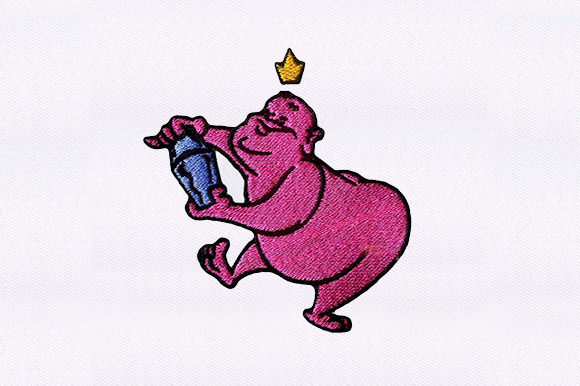
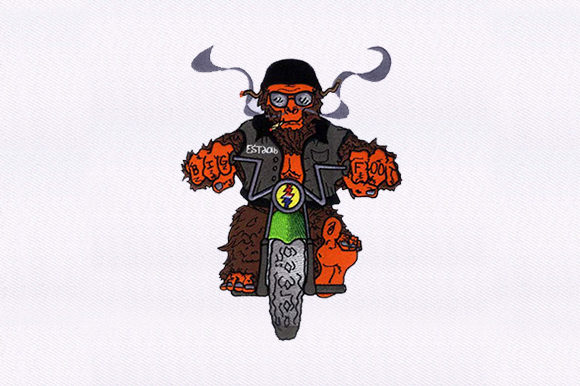
The immediate mood of the Chopper Riding Gorilla is playful yet edgy. It is not your typical nursery-style animal; it has a rebellious streak that makes it versatile. For an Etsy seller or a small shop product creator, this distinction is vital. You are not just selling an image; you are selling a vibe. This design fits squarely into the Toys category in spirit, but its application extends far beyond children’s items. It appeals to adults who appreciate whimsical art, bikers with a sense of humor, and anyone looking for a conversation starter on their wardrobe.
Visually, the layout is compact but impactful. The gorilla’s posture on the chopper creates a strong horizontal line, which is excellent for placement on chest pockets, back yokes of shirts, or the center of tote bags. The detail level appears sufficient to convey the mechanical aspects of the bike without requiring thousands of unnecessary stitches that could puckering lighter fabrics. It feels like a design that respects the limitations of the hoop while maximizing the available space.
Real-World Application: From Mockup to Market
I recently tested a similar concept for a client wanting to launch a line of custom apparel for a local motorcycle club’s family picnic. While they didn’t use this exact file, the Chopper Riding Gorilla would have been a perfect fit for their "kids' zone" merchandise. Imagine this stitched onto a high-quality cotton tote bag design. The bold lines of the chopper wheels and the gorilla’s silhouette would stand out clearly against canvas fabric. For a handmade product line, this kind of clarity is essential because customers need to recognize the subject from a distance.
Another ideal scenario is sweatshirt embroidery. Hoodies and crewnecks provide a stable, thick base that supports moderate stitch density without sinking. Placing this design on the left chest or as a larger back piece creates a professional look that elevates a basic garment into a personalized gift or a boutique item. The contrast between the rugged theme and the soft texture of fleece creates a tactile appeal that buyers love.
For those running a craft business, consider the potential for embroidered patch production. This design’s self-contained shape makes it an excellent candidate for cut-out patches. You can stitch it on twill, cut around the border, and apply it to denim jackets, backpacks, or hats. This expands the utility of the digital embroidery file significantly, allowing you to offer add-on products without creating new designs from scratch.
Navigating Fabric and Technical Challenges
While the design is robust, it is not without its technical considerations. As an experienced reviewer, I must point out where caution is needed. If you plan to use this on stretchy fabric like jersey t-shirts, proper stabilization is non-negotiable. The weight of the gorilla and the bike details can cause distortion if the fabric shifts during stitching. I always recommend using a cut-away stabilizer for garments that will be washed frequently, ensuring the embroidery project remains crisp over time.
Dark fabrics present another challenge. If you are stitching this on black or navy, you must carefully select your thread colors. High contrast is key. A dark gorilla on a dark shirt will vanish. You might need to adjust the color palette in your embroidery software to ensure the outlines pop. Additionally, check for any tiny running stitch details that might get lost in the nap of velvet or corduroy. This design works best on smooth to medium-texture fabrics like cotton, linen, denim, and polyester blends.
Curved surfaces, such as caps or hats, require careful hooping. The horizontal nature of the chopper means you must ensure the design is centered perfectly. Any tilt will be obvious. Furthermore, verify the hoop size compatibility before purchasing. While the description suggests it is high-quality, knowing the exact dimensions is crucial to ensure it fits within your standard 4x4 or 5x7 hoops without resizing, which can alter stitch density and cause thread breaks.
Enhancing Brand Value and Customer Trust
Using unique designs like Chopper Riding Gorilla helps build brand consistency. When customers see a well-executed, quirky design, they associate your small business with creativity and attention to detail. It moves your offerings away from generic clip-art styles and into the realm of curated design assets. This perception increases the perceived value of your custom apparel and allows for higher pricing tiers.
For holiday embroidery or special occasions, this design can be adapted with seasonal elements. Imagine adding a Santa hat to the gorilla for Christmas or a pumpkin for Halloween. The base design remains the same, but the context changes, allowing you to create multiple SKUs from a single applique design or standard stitch file. This efficiency is vital for maintaining a fresh inventory without constant new design costs.
Practical Designer Notes for Best Results
Before you commit to a large production run or list this as a new item in your shop, follow these practical steps:
- Test on Scrap Fabric: Always stitch a sample on the same material you intend to sell. Check for puckering, thread breaks, and registration issues.
- Check Stitch Density: If the design feels too dense, consider using a lighter weight thread or adjusting the pull compensation in your software to prevent fabric distortion.
- Review Color Contrast: Create a black and white mockup to ensure the shapes are distinct. If the design relies solely on color to define edges, it may fail on monochrome items.
- Verify Licensing: Confirm whether the embroidery file license allows for commercial use. Most designers permit selling finished physical items, but restrictions on digital resale are common. Always read the terms.
- Inspect Small Details: Zoom in on the chopper’s handlebars and the gorilla’s facial features. Ensure these areas do not have excessive jump stitches or tiny, fragile elements that might snag during washing.
In conclusion, the Chopper Riding Gorilla is a strong contender for designers looking to add personality to their portfolio. It bridges the gap between novelty and quality, offering a versatile option for commercial embroidery projects. By understanding its strengths and respecting its technical requirements, you can create standout products that resonate with customers and enhance your reputation as a skilled maker. Whether for a baby embroidery item with a twist or a rugged biker accessory, this design delivers the charm and durability needed for successful sales.